
What Is Chitkul?
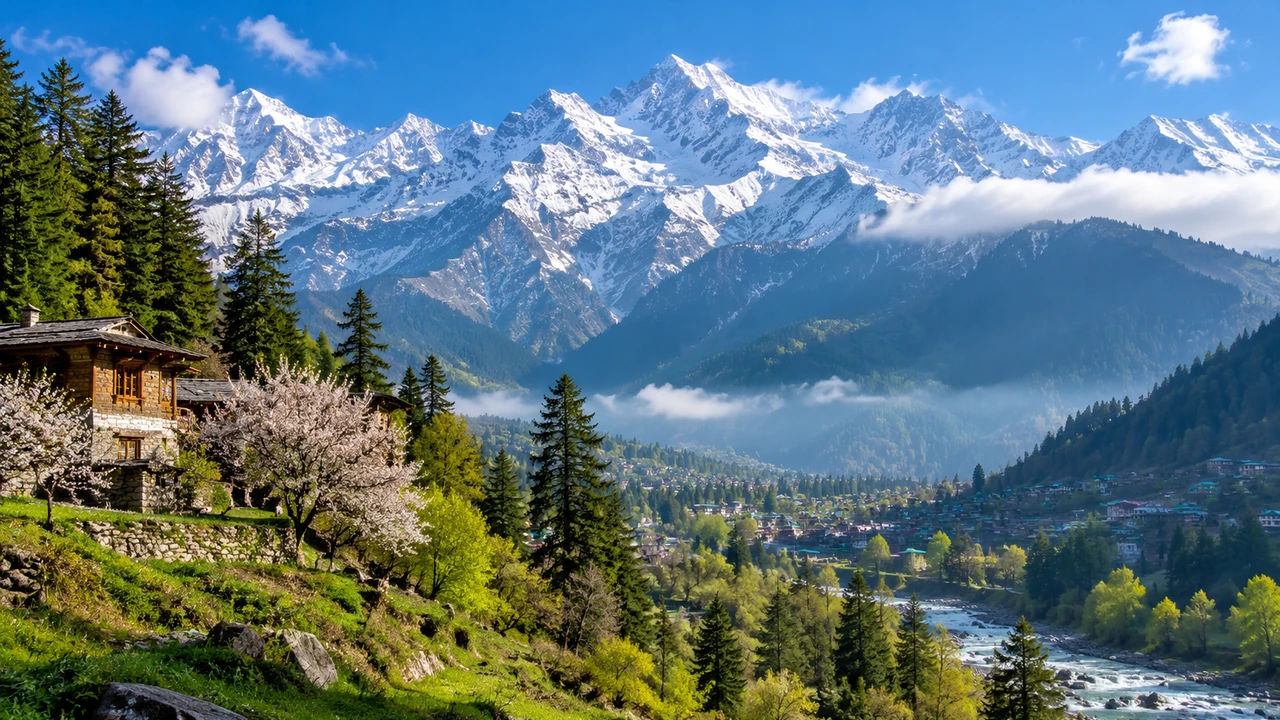
Chitkul is a scenic village in Kinnaur district of Himachal Pradesh, situated in the upper Baspa Valley.
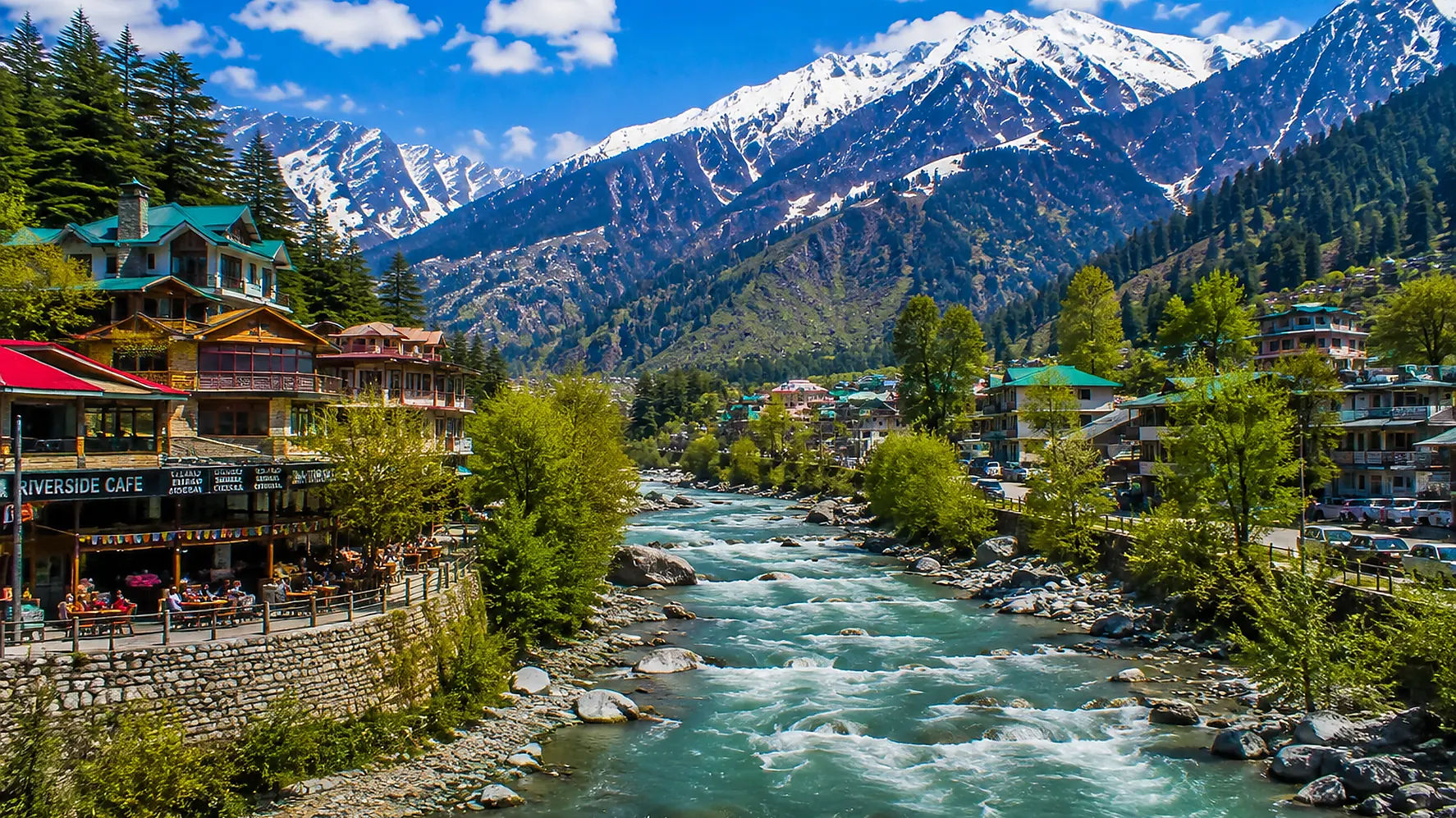
It is surrounded by high Himalayan mountains, forests, meadows, apple orchards, traditional houses and the Baspa River.
- High Himalayan mountains
- Forests
- Meadows
- Apple orchards
- Traditional houses
- Baspa River
Where Is Chitkul Located?
Chitkul is located in the Baspa Valley of Kinnaur, near the Indo-Tibetan border region.
The final section follows the Baspa River through increasingly dramatic Himalayan scenery.
Why Is Chitkul Famous?
- Remote Himalayan location
- Traditional Kinnauri architecture
- Baspa River
- Himalayan mountains
- Scenic Sangla-Chitkul road trip
- Winter snowfall
- Kinnauri culture
Is Chitkul Really the Last Inhabited Village?
Chitkul is widely promoted as the last inhabited village in India on the old Indo-Tibetan route and is described in these terms by tourism sources.
The village's location near the border region and historic route contributes to this tourism description.
Chitkul and Sangla Valley
Chitkul is closely connected to Sangla Valley and is commonly visited as part of the Sangla-Chitkul road trip.
View Full GuideChitkul and the Baspa River
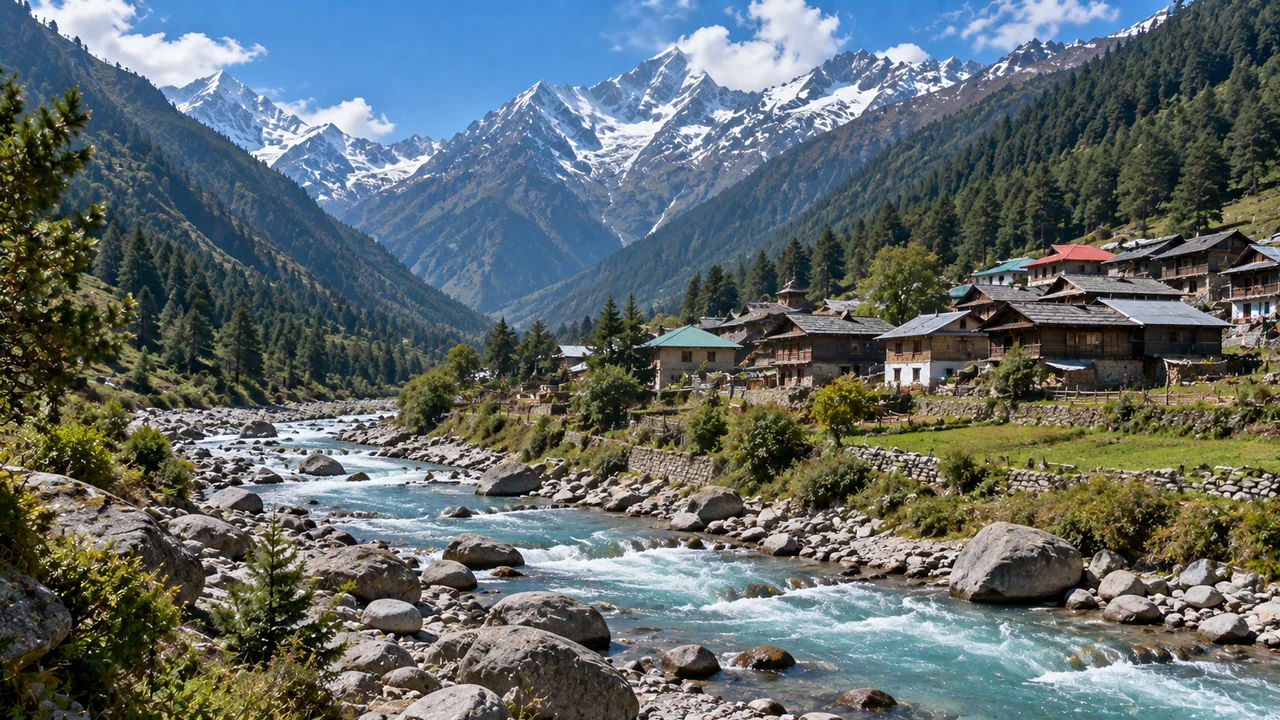
The Baspa River is one of the defining features of Chitkul and flows through the Baspa Valley.
- Photography
- Nature observation
- Scenic walks
- Relaxation
- Landscape photography
Best Places to Visit in Chitkul
Chitkul Village
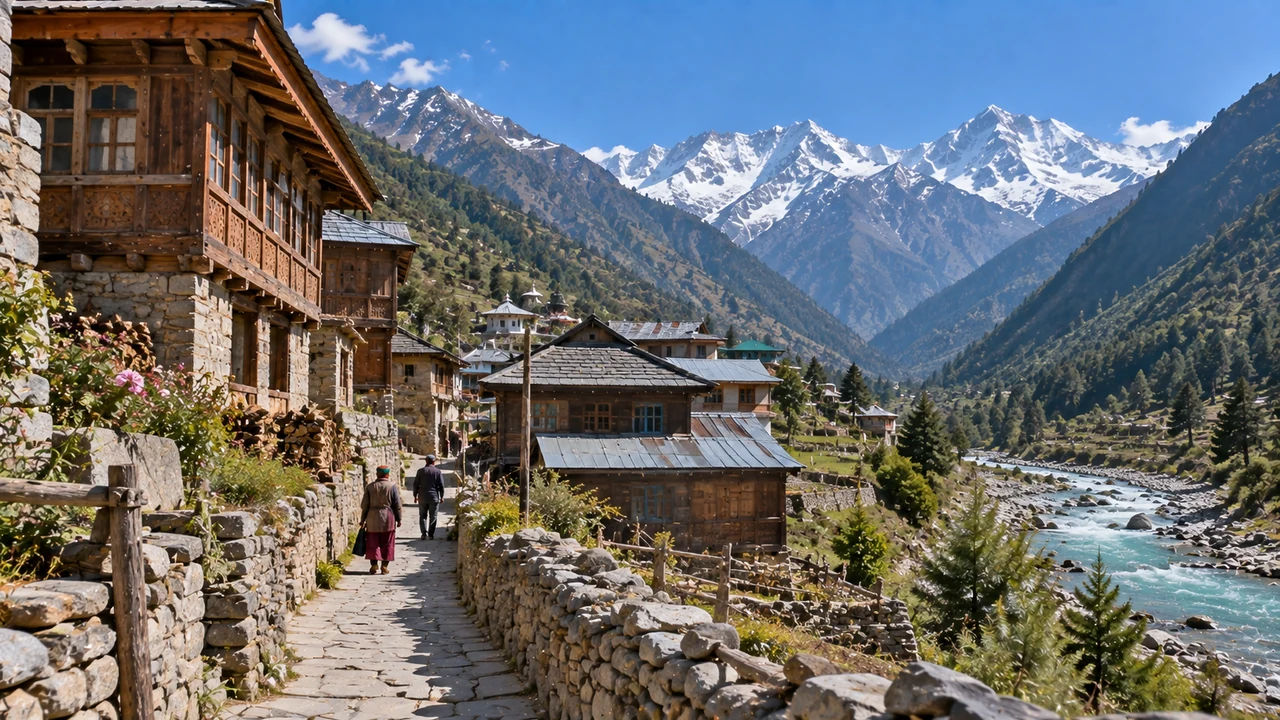
The village itself is one of Chitkul's biggest attractions.
- Traditional houses
- Wooden balconies
- Local temples
- Village paths
- Fields
- Mountain views
- Local lifestyle
Chitkul Temple
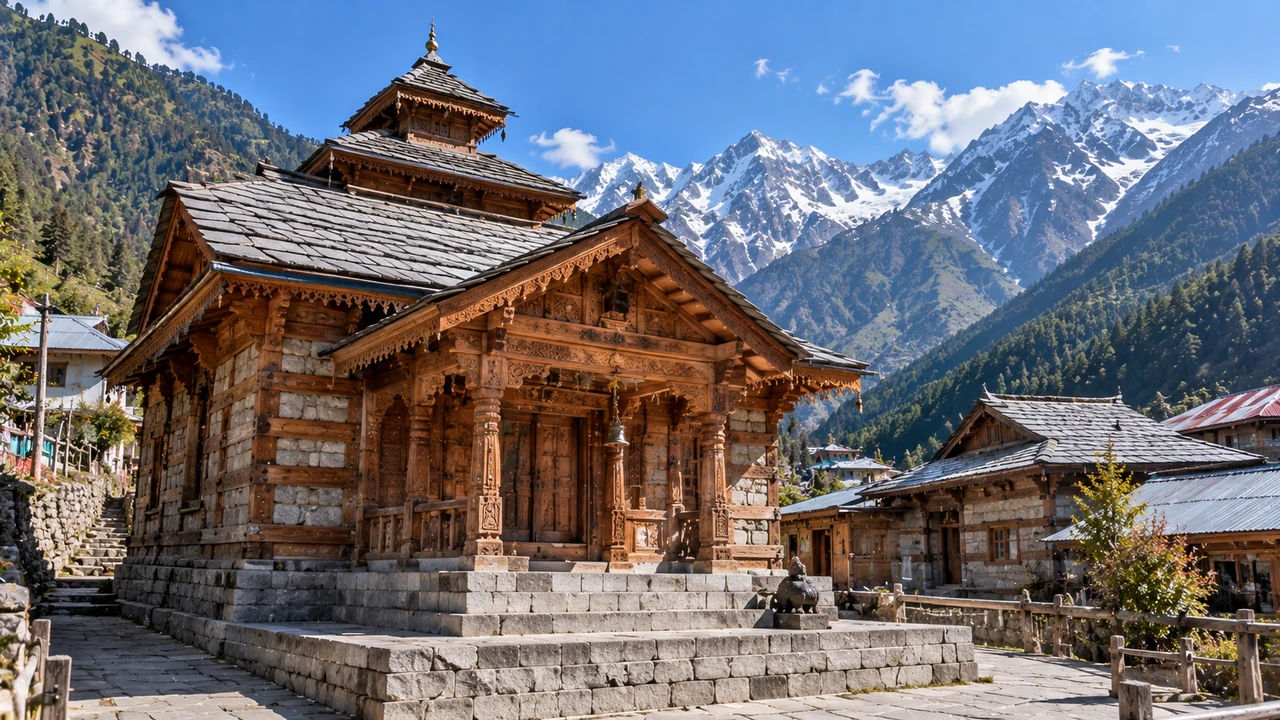
Traditional religious structures in Chitkul reflect the cultural heritage of Kinnaur.
- Dress respectfully
- Follow local rules
- Ask before taking photographs
- Do not touch restricted objects
- Keep noise low
Chitkul Viewpoints
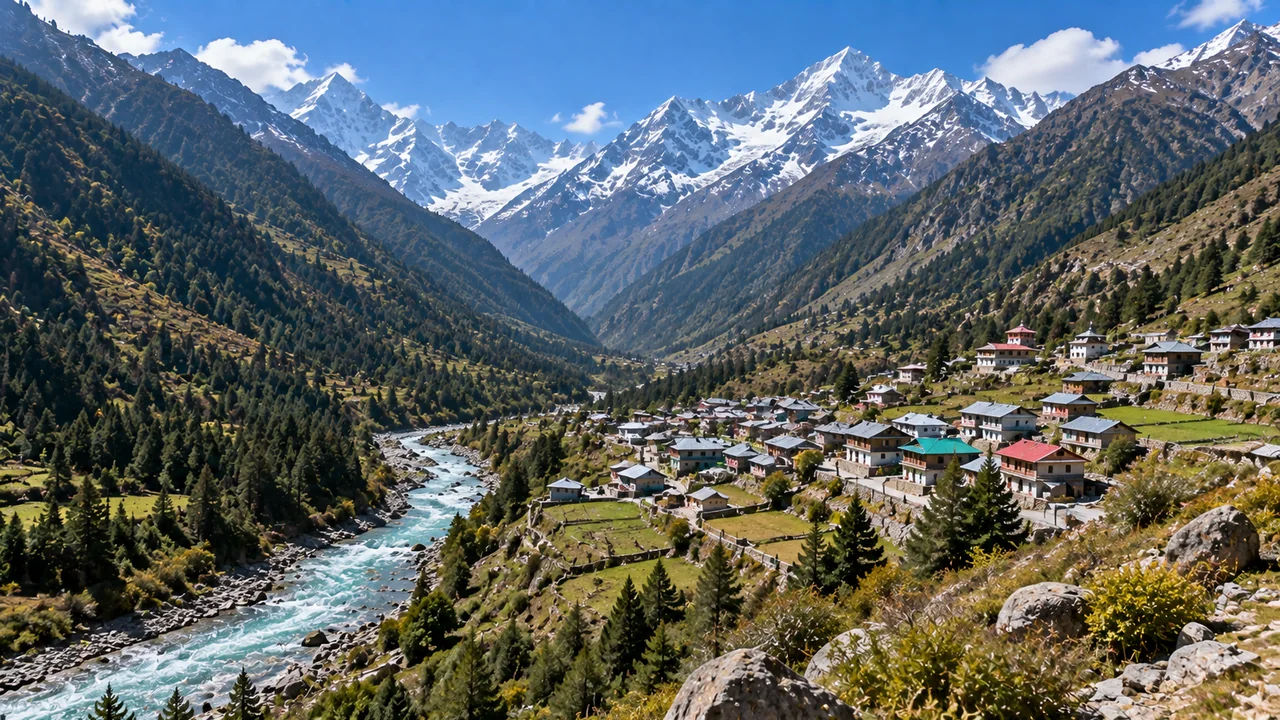
- Mountain ridges
- Baspa River
- Village rooftops
- Forests
- Snow peaks
- Sunrise and sunset light
Traditional Kinnauri Houses
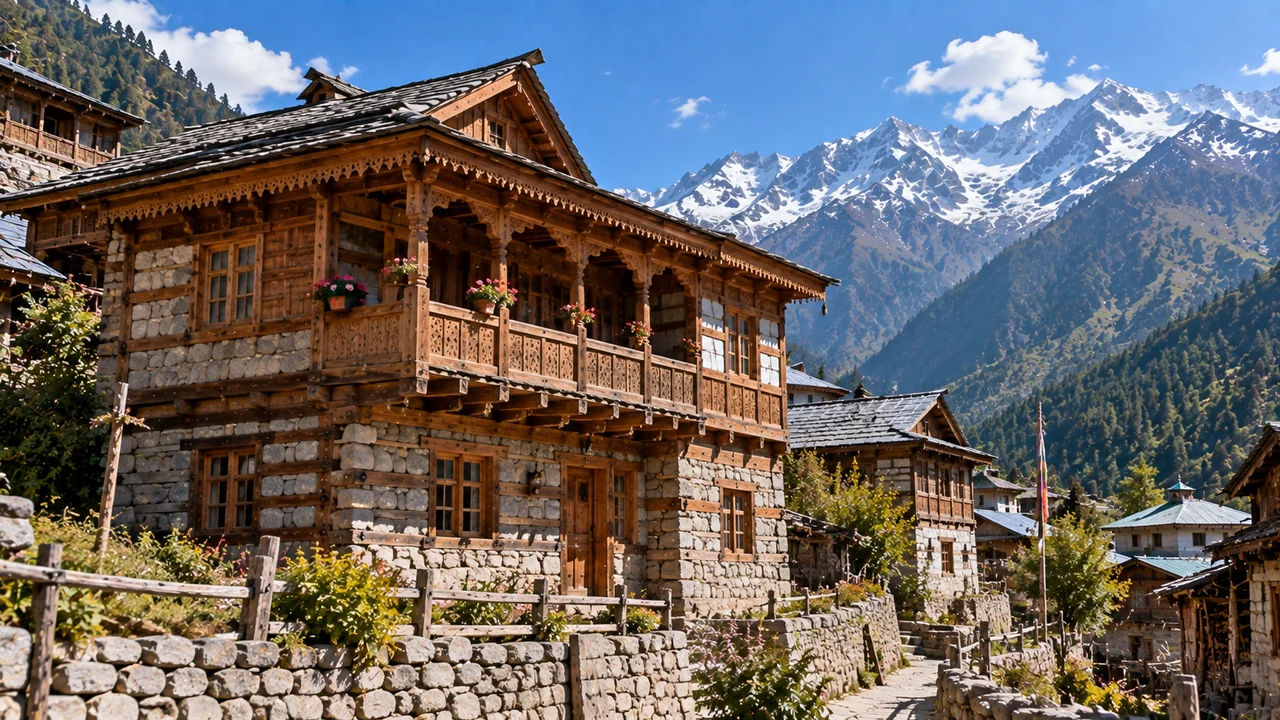
Traditional wood-and-stone construction is one of the most fascinating aspects of Chitkul.
Observe the details of doors, balconies, roofs and wooden craftsmanship while respecting private property.
Rakcham
Rakcham lies between Sangla and Chitkul and is surrounded by forests, meadows, mountains and the Baspa River.
Things to Do in Chitkul
- Explore the village
- Visit local religious sites
- Photograph the mountains
- Walk along safe river areas
- Explore local architecture
- Experience local food
- Trek
- Camp at authorized locations
- Watch the sunrise
- Take a road trip
Village Walks in Chitkul
One of the best things to do in Chitkul is simply walk through the village.
- Village lanes
- Homes
- Fields
- River areas
- Temples
- Local shops
Photography in Chitkul
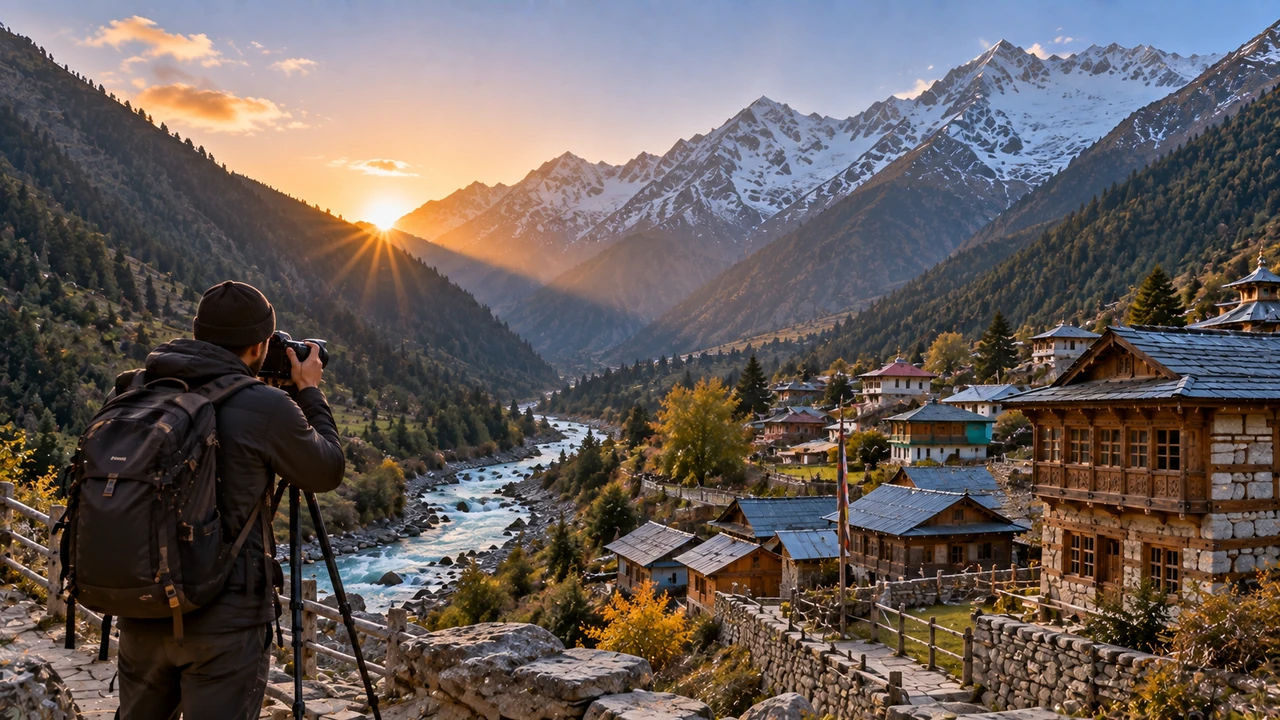
- Himalayan peaks
- Baspa River
- Traditional houses
- Wooden architecture
- Apple orchards
- Village life
- Snow-covered landscapes
- Mountain roads
Trekking in Chitkul
The surrounding Kinnaur region offers trekking opportunities ranging from short walks to challenging high-altitude routes.
- Check weather conditions
- Use experienced local guides
- Verify permits if required
- Carry appropriate equipment
- Understand altitude risks
- Avoid unfamiliar remote routes alone
Camping in Chitkul
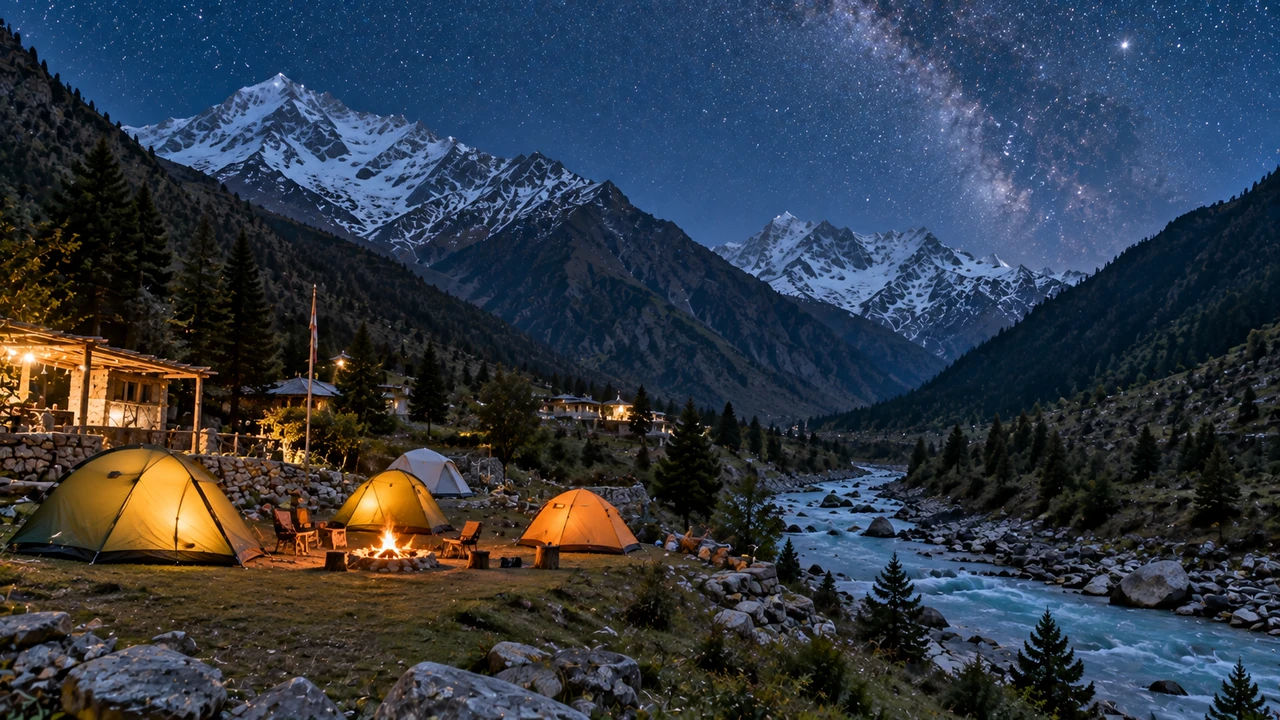
- Use authorized campsites
- Avoid riverbanks
- Follow local regulations
- Avoid open fires where prohibited
- Carry waste back
- Respect nearby villages
Experience Local Kinnauri Culture
- Traditional clothing
- Wooden architecture
- Local temples
- Village farming
- Apple orchards
- Local handicrafts
- Regional cuisine
The best way to experience local culture is with curiosity and respect.
Kinnauri Food
During your Chitkul trip, try locally prepared food at homestays and local eateries.
Ask your host what is locally prepared and seasonal for the best regional food experience.
Best Time to Visit Chitkul
April to June and September to October are generally attractive periods, subject to current weather and road conditions.
Chitkul in Spring
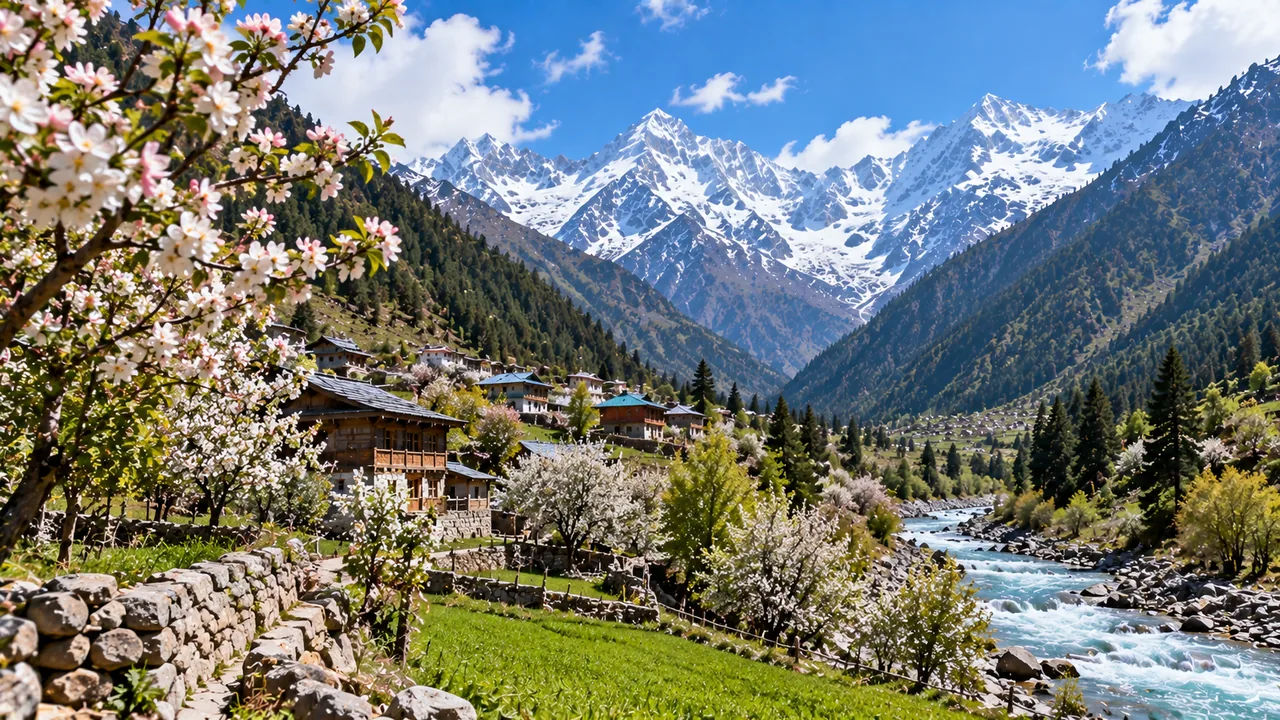
- Photography
- Village walks
- Road trips
- Nature
- Apple blossoms
Chitkul in Summer
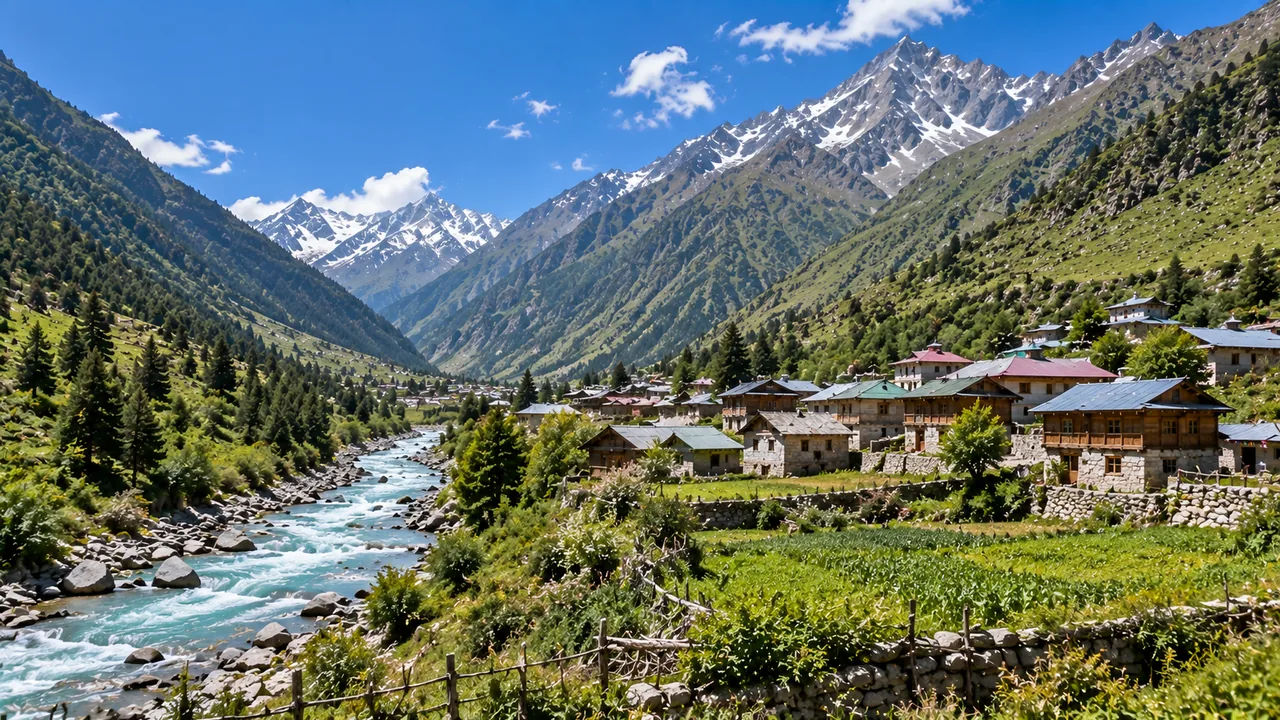
- Road trips
- Sightseeing
- Village walks
- Photography
- Outdoor activities
Chitkul During Monsoon
- Landslides
- Rockfall
- Heavy rainfall
- Road closures
- Poor visibility
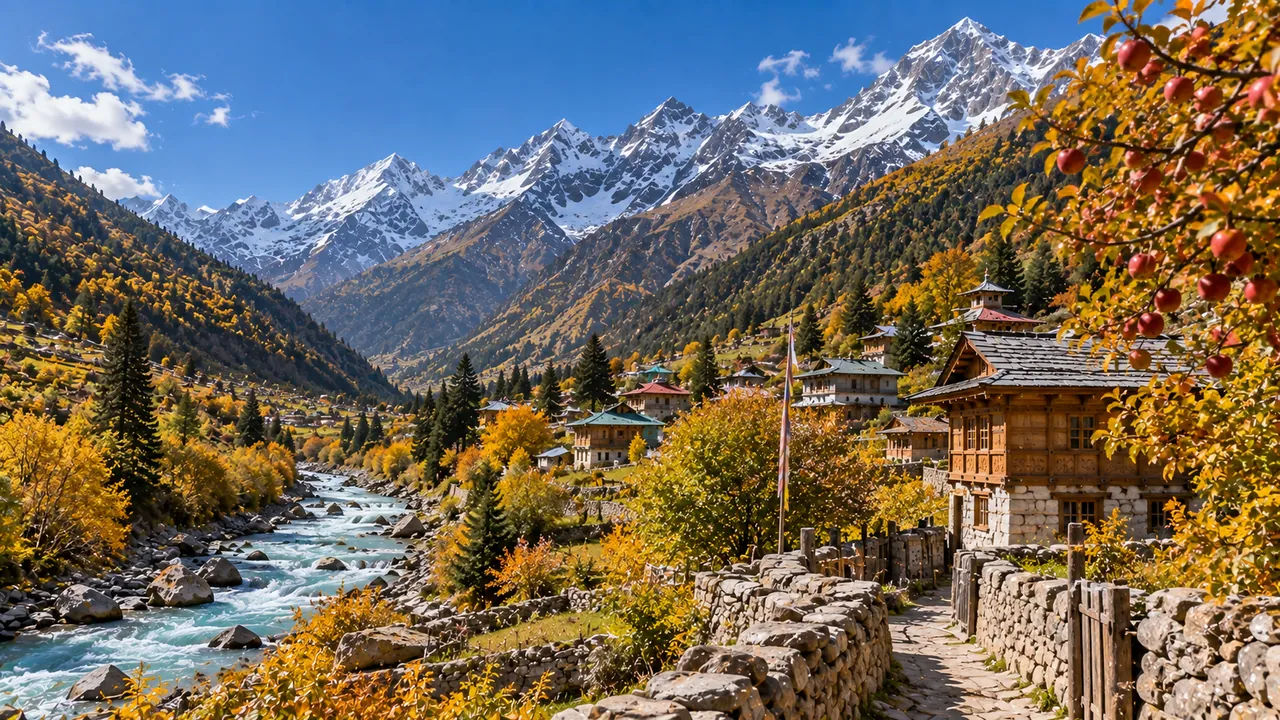
Chitkul in Autumn
Chitkul in Winter
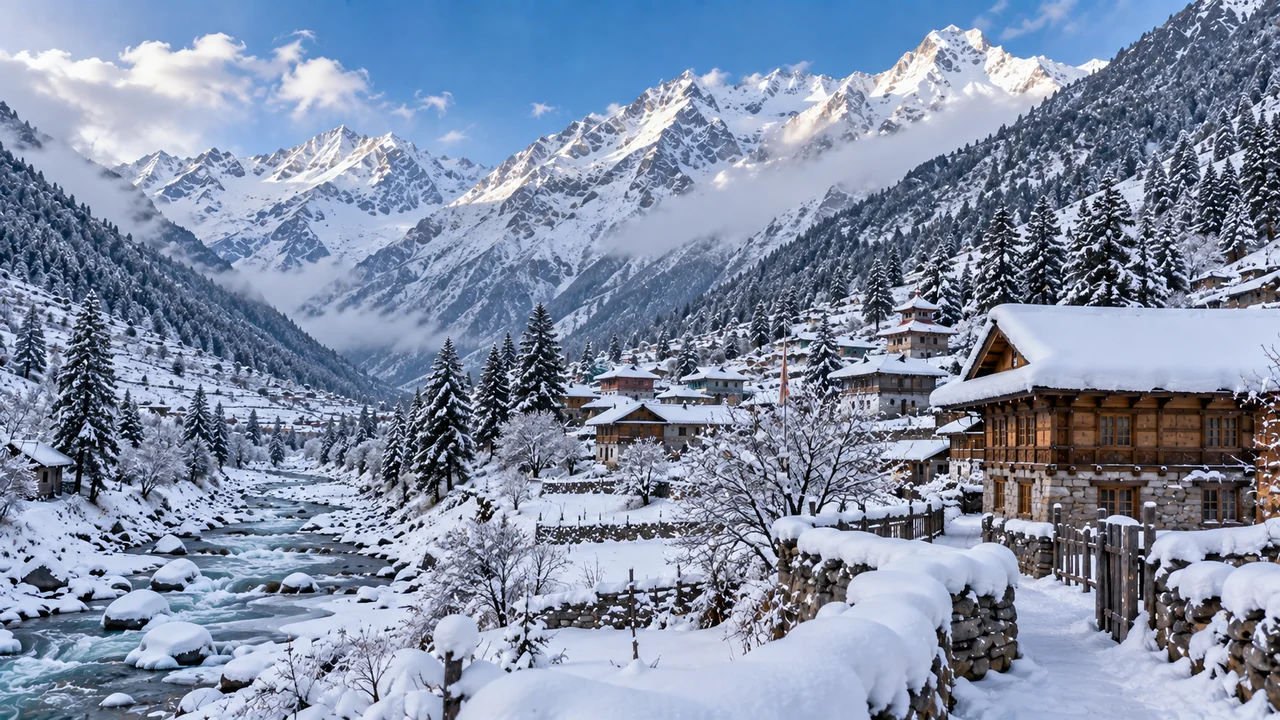
- Snow-covered houses
- Snow-covered roads
- Snow-covered fields
- Snow-covered forests
- White Himalayan mountains
Winter travel can be challenging because snow may affect roads, transport, accommodation, electricity and connectivity.
Chitkul Snowfall
Chitkul is particularly popular among travelers looking for snowfall in Himachal Pradesh.
- Houses
- Roads
- Fields
- Forests
- Mountains
How to Reach Chitkul
Chitkul is primarily reached by road.
Chitkul by Road
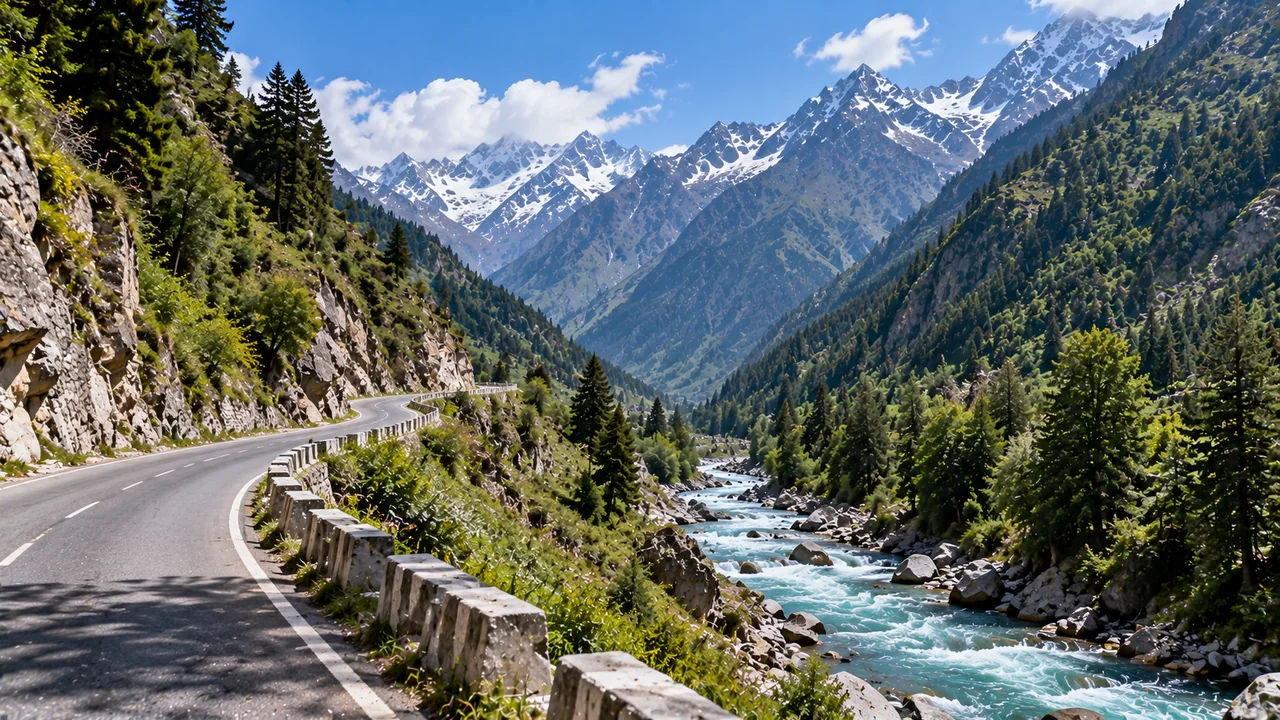
- River views
- Mountain landscapes
- Forests
- Villages
- Cliffs
- Himalayan scenery
Chitkul From Sangla
Chitkul is approximately 25 km from Sangla according to Incredible India, although actual journey time varies with road and weather conditions.
Chitkul From Shimla
The journey involves mountain roads, so it is better to divide the trip into multiple stages.
Chitkul From Chandigarh
Chitkul From Delhi
For comfort and safety, consider breaking the journey into overnight stops.
Chitkul by Bus
Public transport is available through the broader Himachal and Kinnaur network, but services to remote destinations can be less frequent.
Chitkul by Train
There is no railway station in Chitkul.
Travelers arriving by train generally continue by road after reaching a suitable railhead such as Kalka or the Shimla region.
Chitkul by Air
Chitkul does not have its own airport.
- Shimla Airport
- Chandigarh Airport
The final part of the journey must be completed by road.
Chitkul Road Trip
Each section provides different landscapes including rivers, forests, villages, cliffs and Himalayan scenery.
2-Day Chitkul Itinerary
- Sangla village
- Baspa River
- Kamru
- Kamru Fort
- Local markets
Explore Chitkul village, Baspa River and surrounding viewpoints. Return to Sangla or stay overnight depending on road and weather conditions.
3-Day Sangla-Chitkul Itinerary
- Day 1: Karcham → Sangla
- Day 2: Sangla → Kamru → Batseri → Rakcham
- Day 3: Rakcham → Chitkul
5-Day Kinnaur Road Trip
- Day 1: Shimla → Narkanda
- Day 2: Narkanda → Rampur → Kinnaur
- Day 3: Kinnaur → Sangla
- Day 4: Sangla → Rakcham → Chitkul
- Day 5: Sangla → Kalpa
Places Near Chitkul
What to Pack for Chitkul
- Warm jacket
- Fleece
- Thermal layers
- Woolen socks
- Gloves
- Warm cap
- Waterproof jacket
- Comfortable walking shoes
- Trekking shoes
- Extra socks
- Government ID
- Sunglasses
- Sunscreen
- Reusable water bottle
- Power bank
- Torch
- Basic first-aid kit
- Offline maps
- Charging cables
- Snacks
- Drinking water
- Emergency contacts
- Some cash
Chitkul Travel Tips
- Check road conditions
- Start early
- Keep buffer time
- Carry warm clothes
- Respect local culture
- Ask before photographing people
- Don't litter
- Don't approach the river
- Don't enter private property
- Don't depend entirely on mobile connectivity
- Travel responsibly
- Follow local advisories
Responsible Tourism in Chitkul
- Carry reusable bottles
- Avoid plastic waste
- Support local homestays
- Buy local products
- Respect temples
- Avoid loud music
- Do not disturb animals
- Stay on appropriate paths
- Avoid litter
- Respect private land
Chitkul With Swarikaro
A trip to Chitkul is primarily a road journey. The Sangla → Rakcham → Chitkul route is easier to explore when you have a vehicle that suits your group and luggage.
- Number of travelers
- Luggage
- Trip duration
- Road-trip requirements
- Destination
- Travel preferences
With Swarikaro, travelers can explore available vehicle options for their Himachal journey.
Conclusion
Chitkul is one of the most spectacular villages in Kinnaur, combining dramatic Himalayan scenery, the Baspa River, traditional Kinnauri architecture and a memorable mountain road journey.
From Sangla and Rakcham to the remote landscapes of Chitkul, the journey offers an excellent experience for travelers interested in road trips, photography, nature and Himalayan culture.