
What Is Great Himalayan National Park?
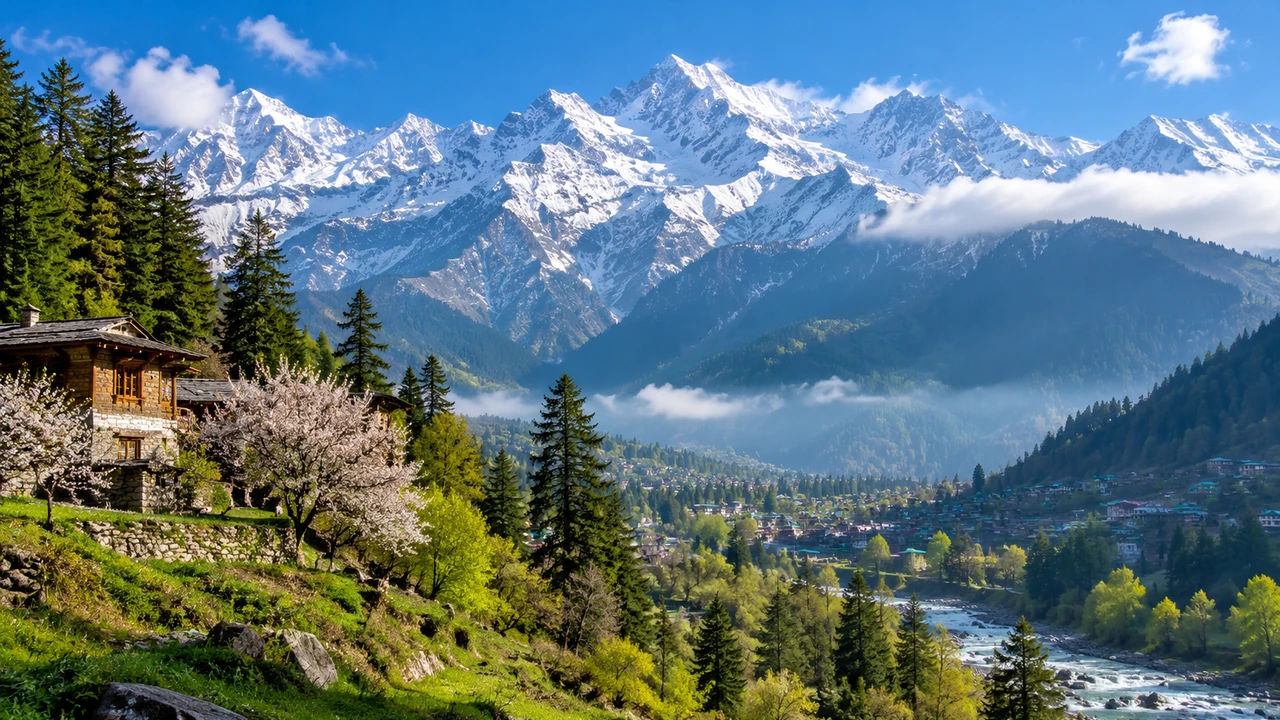
The Great Himalayan National Park is a protected mountain landscape located in Kullu district of Himachal Pradesh.
The park covers diverse Himalayan ecosystems, ranging from forests to high-altitude environments and is recognized for its rich biodiversity.
For visitors, GHNP offers a combination of wildlife, forests, mountains, trekking, villages and conservation.
Where Is Great Himalayan National Park Located?
Great Himalayan National Park is located in Kullu district, Himachal Pradesh.
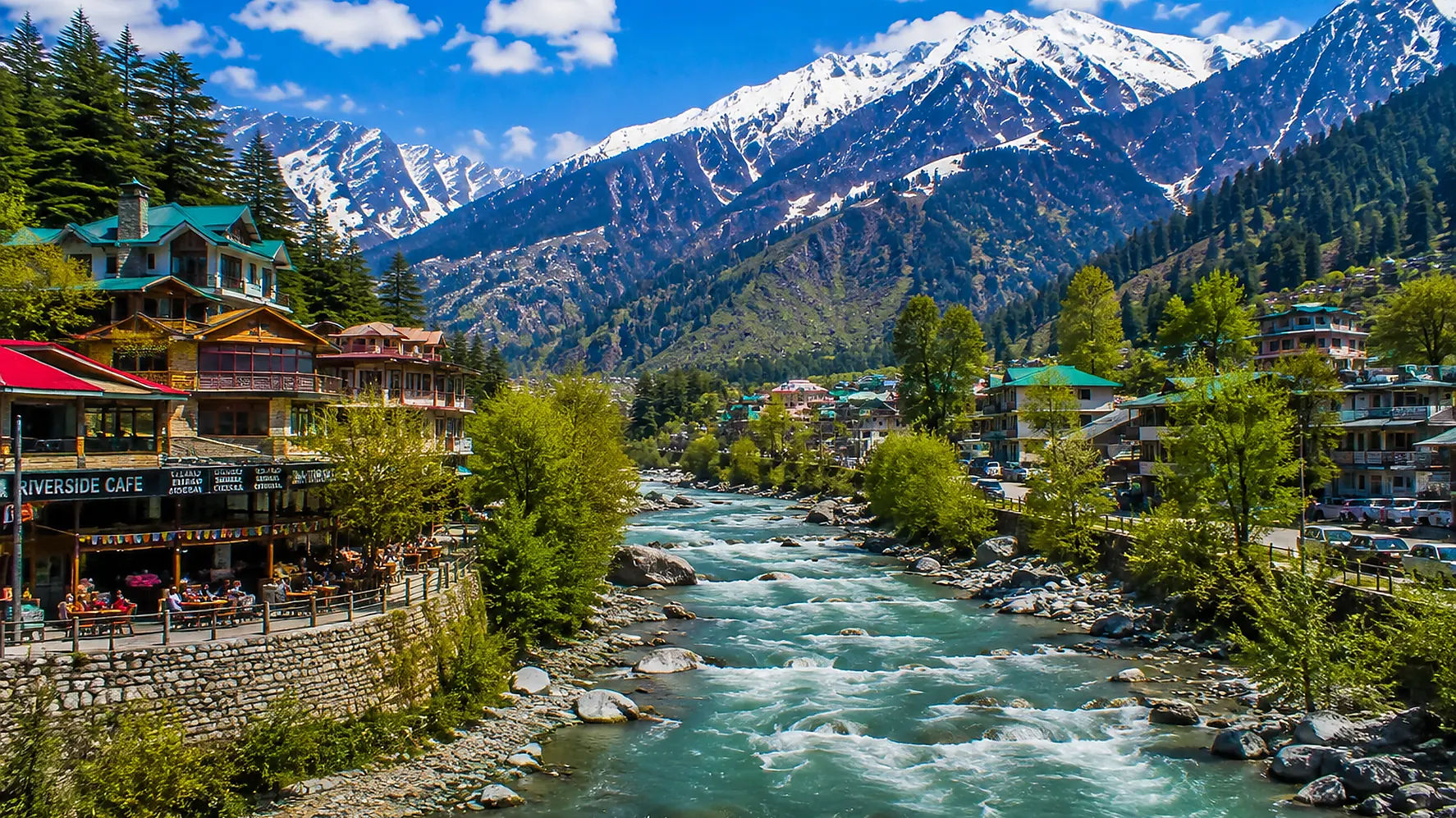
The park is connected with valleys and villages around the Kullu region, including Tirthan Valley, Sainj Valley, Banjar, Gushaini, Jibhi and Kullu.
The exact approach depends on the trekking route and entry point you choose.
Why Is GHNP Famous?
- Himalayan biodiversity
- UNESCO World Heritage status
- Trekking
- Wildlife
- Pristine forests
- Remote mountain valleys
Great Himalayan National Park and UNESCO
The Great Himalayan National Park Conservation Area was inscribed on the UNESCO World Heritage List in 2014 under natural heritage criteria.
Its importance is connected to the exceptional conservation of Himalayan biodiversity.
Wildlife of Great Himalayan National Park
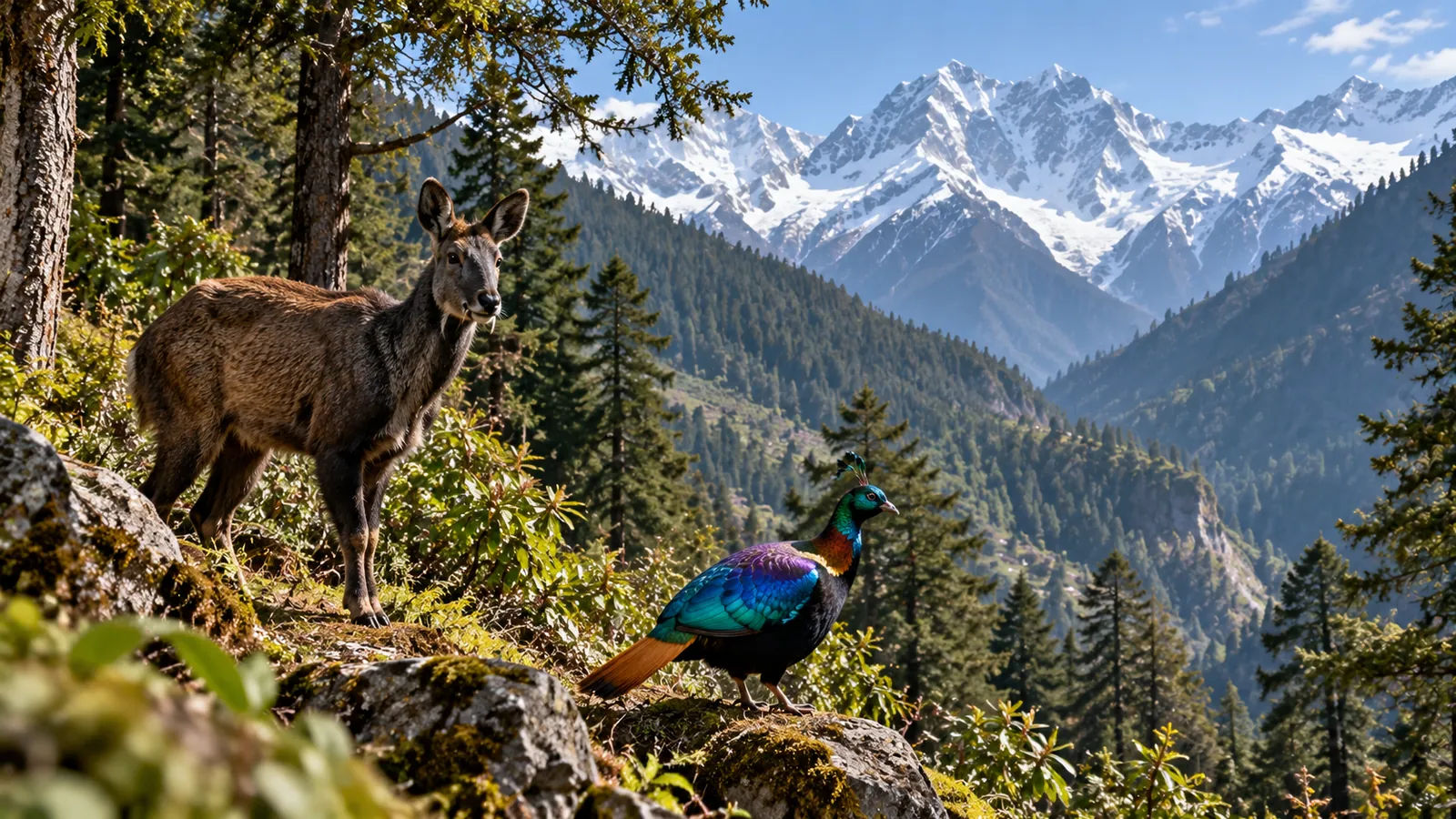
GHNP provides habitat for a variety of Himalayan wildlife.
- Himalayan musk deer
- Himalayan tahr
- Blue sheep
- Goral
- Serow
- Himalayan black bear
- Snow leopard in high-altitude habitats
- Himalayan monal
- Other Himalayan birds
Wild animals are naturally difficult to spot. A trip to GHNP should therefore not be planned around guaranteed wildlife sightings.
Himalayan Biodiversity
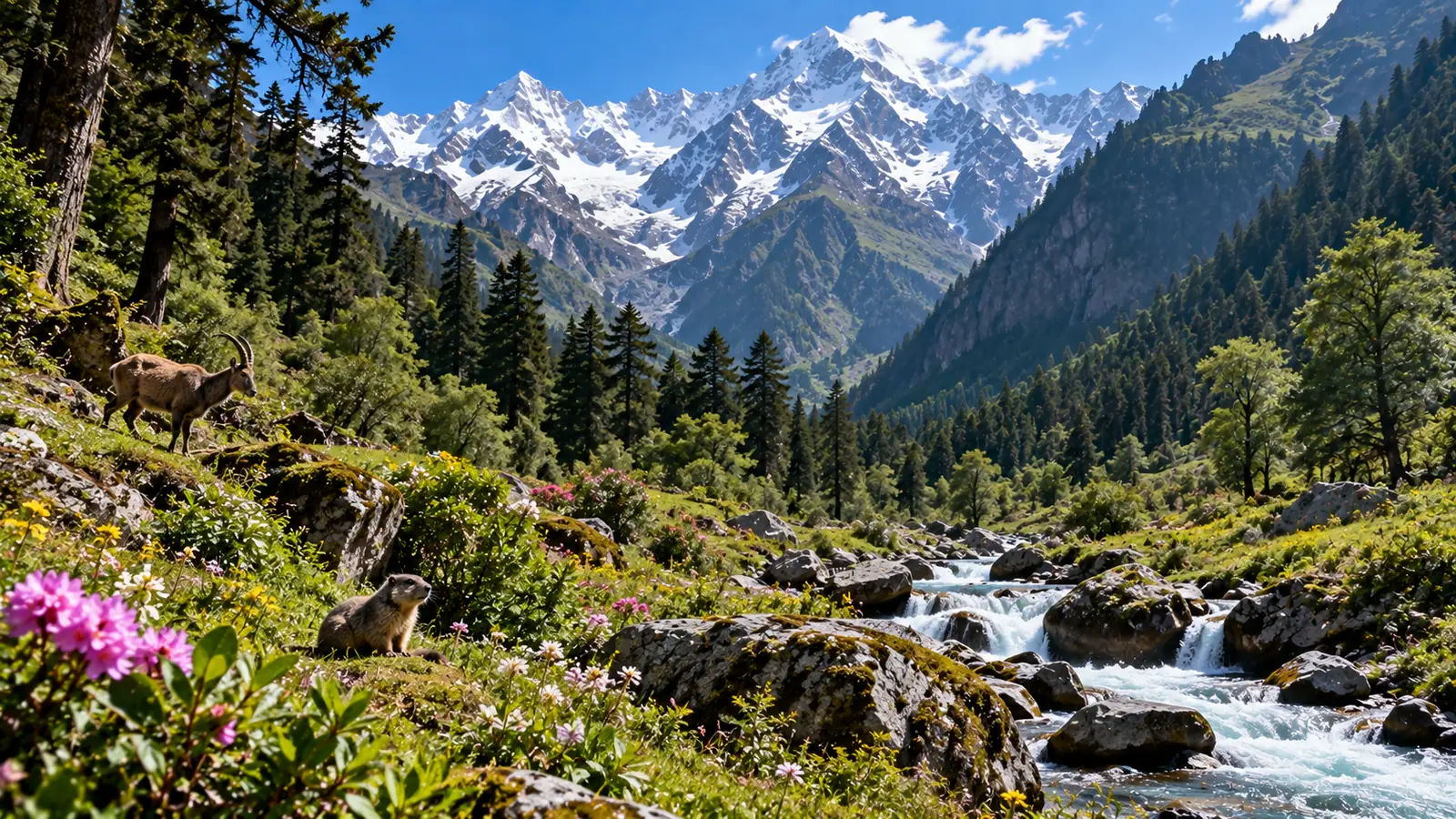
The park contains a variety of habitats including temperate forests, coniferous forests, alpine meadows, high-altitude landscapes, mountain streams and rocky terrain.
This variety of habitats supports diverse plant and animal life.
Great Himalayan National Park Landscape
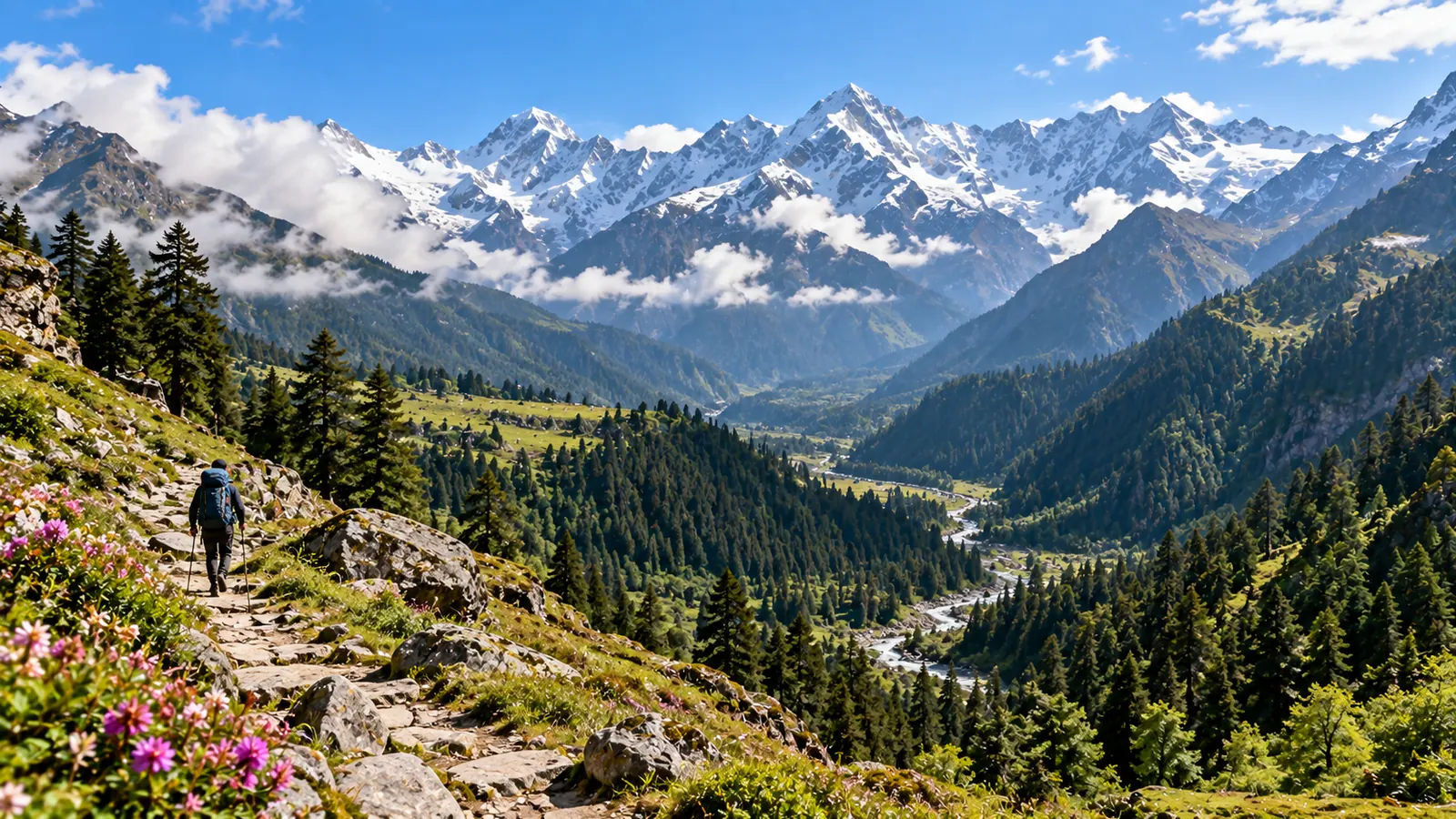
The landscape changes dramatically with elevation.
Lower areas may feature dense forests and villages, while higher routes transition toward alpine landscapes and rugged mountain terrain.
Best Time to Visit Great Himalayan National Park
The best time depends on what you want to experience.
Always check current weather, trail conditions, permits and local park advisories before traveling.
GHNP in Spring
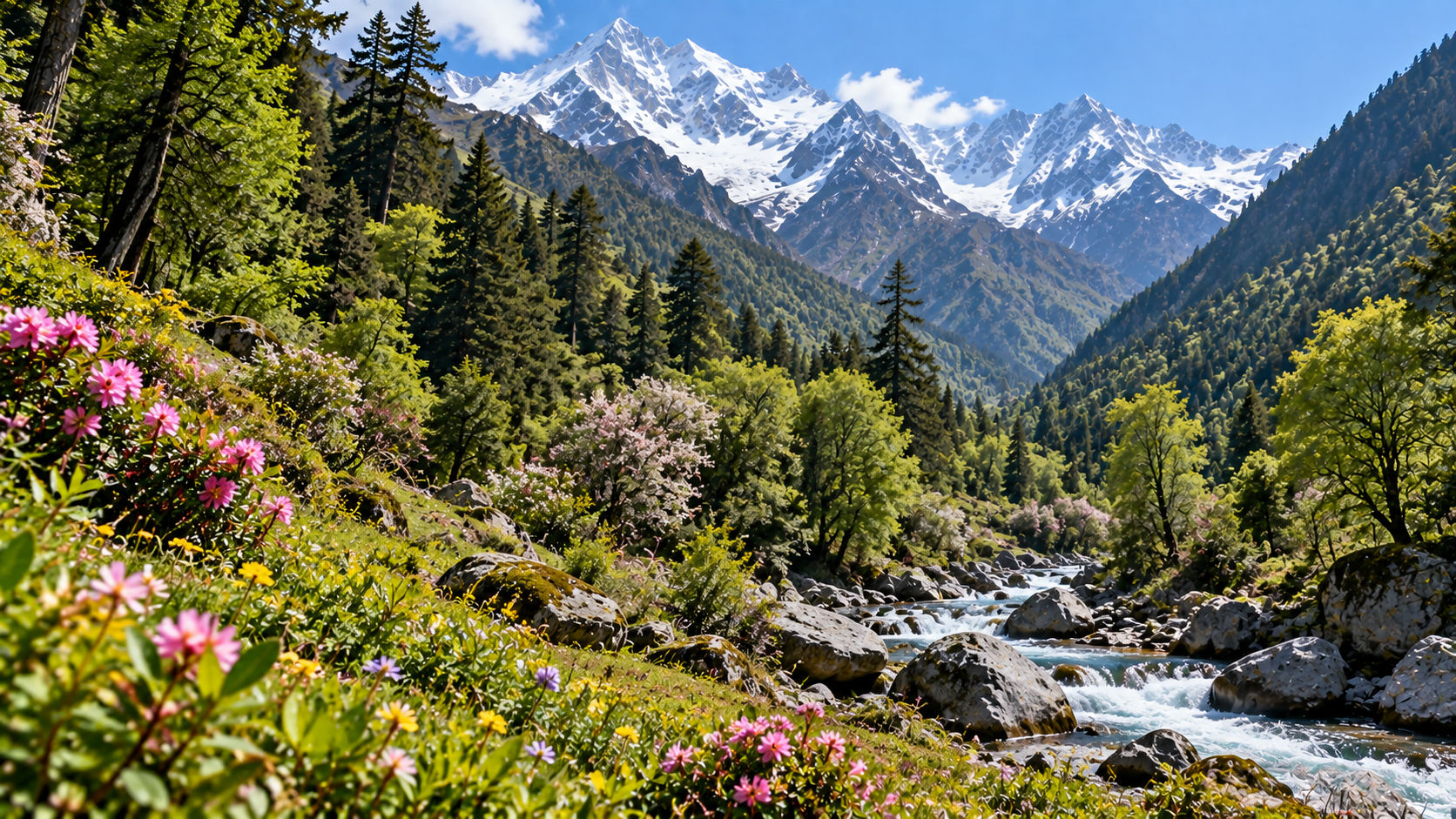
Spring brings fresh vegetation and changing mountain landscapes.
- Nature photography
- Birdwatching
- Forest walks
- Lower-elevation trekking
GHNP in Summer
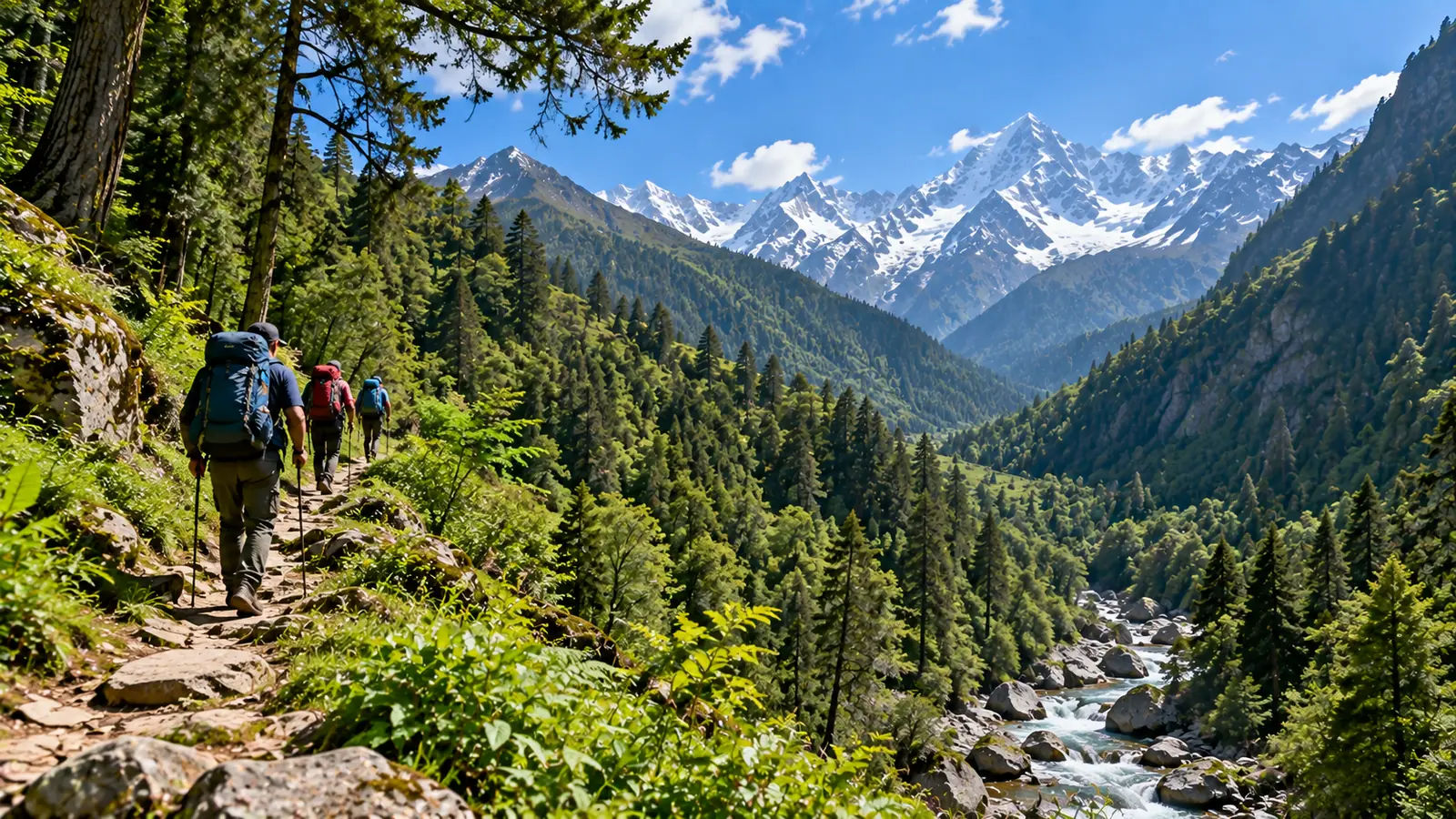
Summer is a popular season for Himalayan outdoor travel. Longer daylight hours can make it easier to plan trekking activities, although weather conditions can still change quickly in the mountains.
GHNP During Monsoon
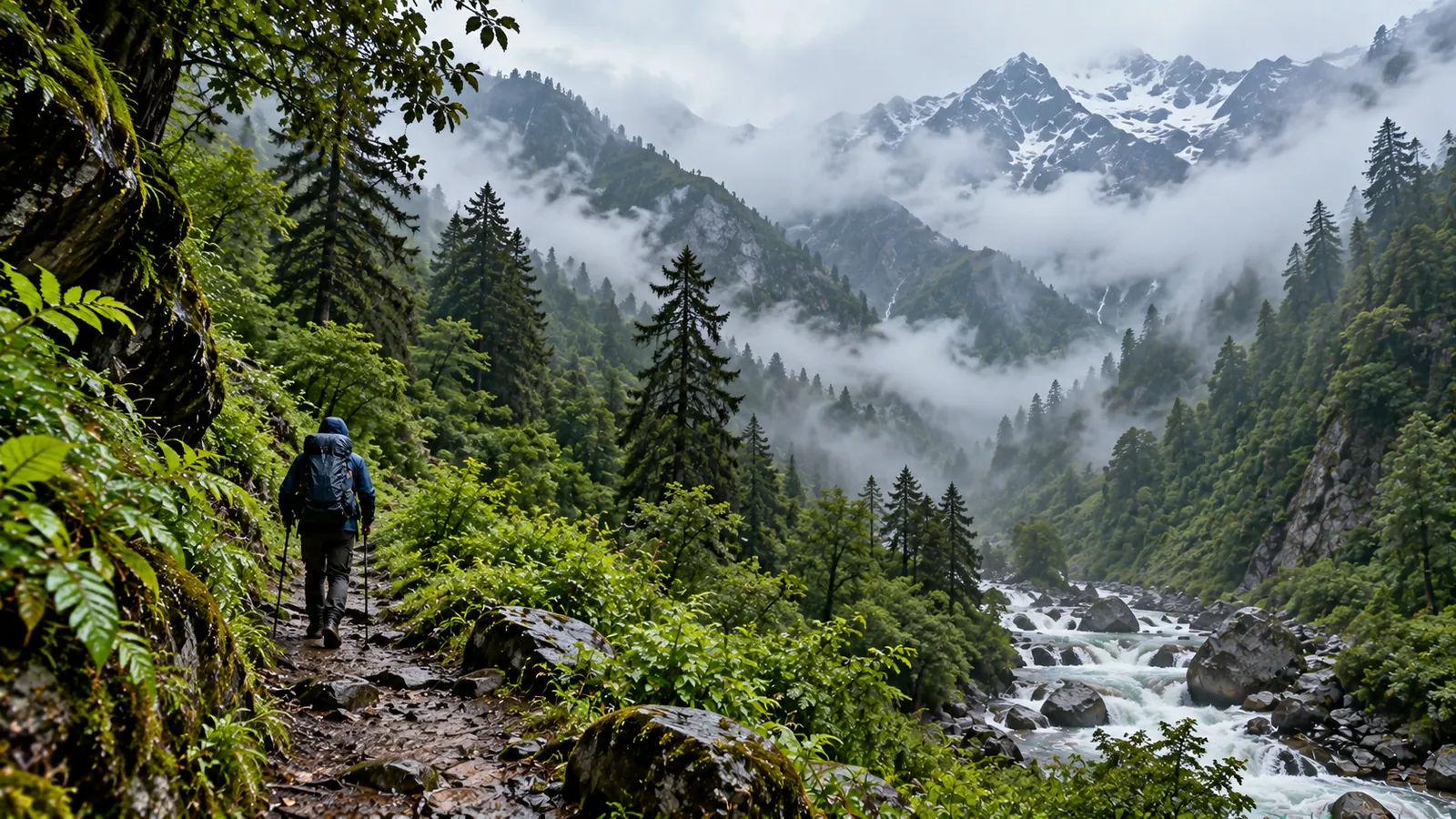
The monsoon creates spectacular greenery, but rain can also lead to slippery trails, landslides, difficult stream crossings, road disruptions and reduced visibility.
Check local conditions before starting a trek.
GHNP in Autumn
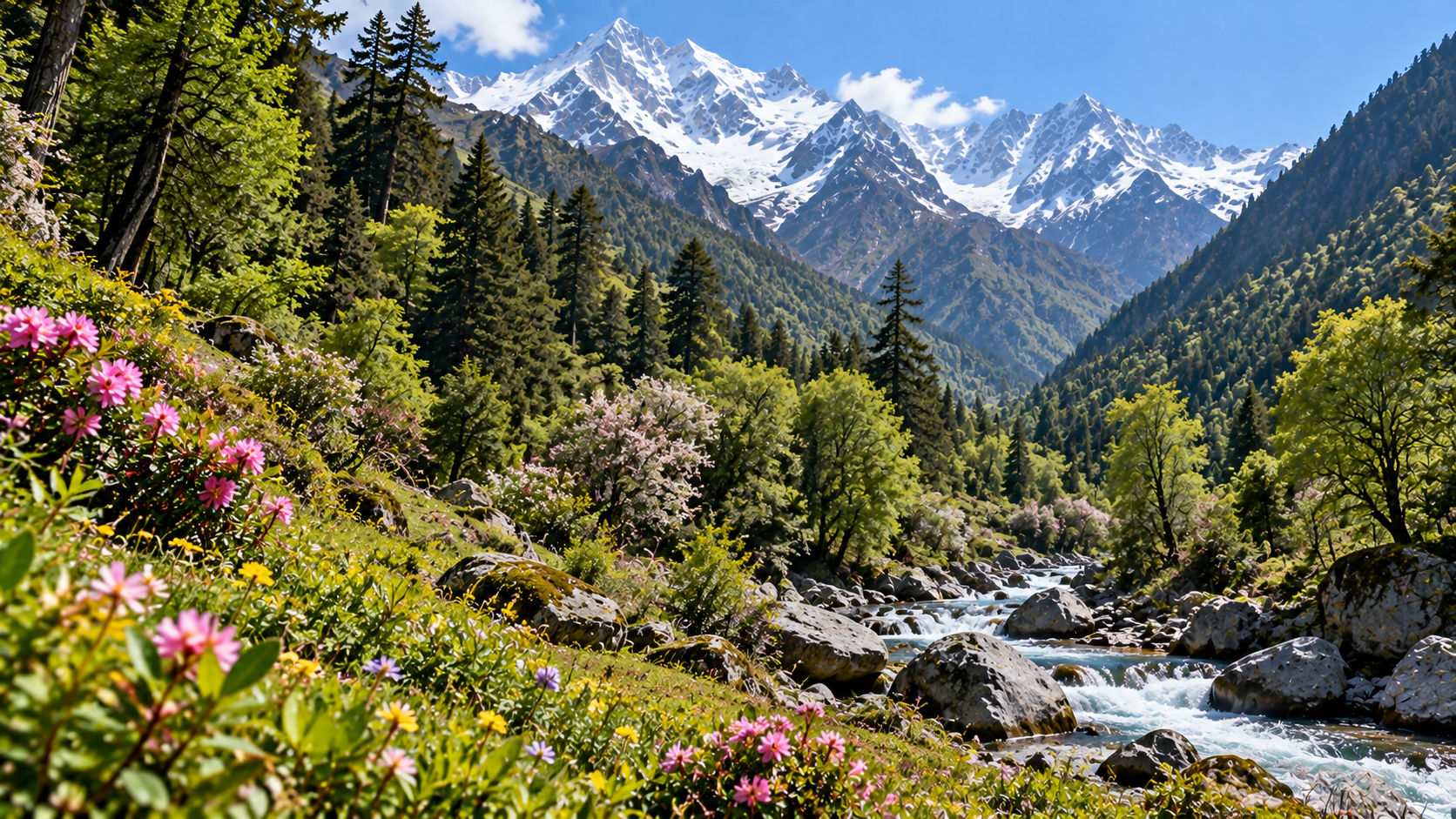
Autumn is often attractive for trekking because of pleasant conditions and clearer mountain views.
GHNP in Winter
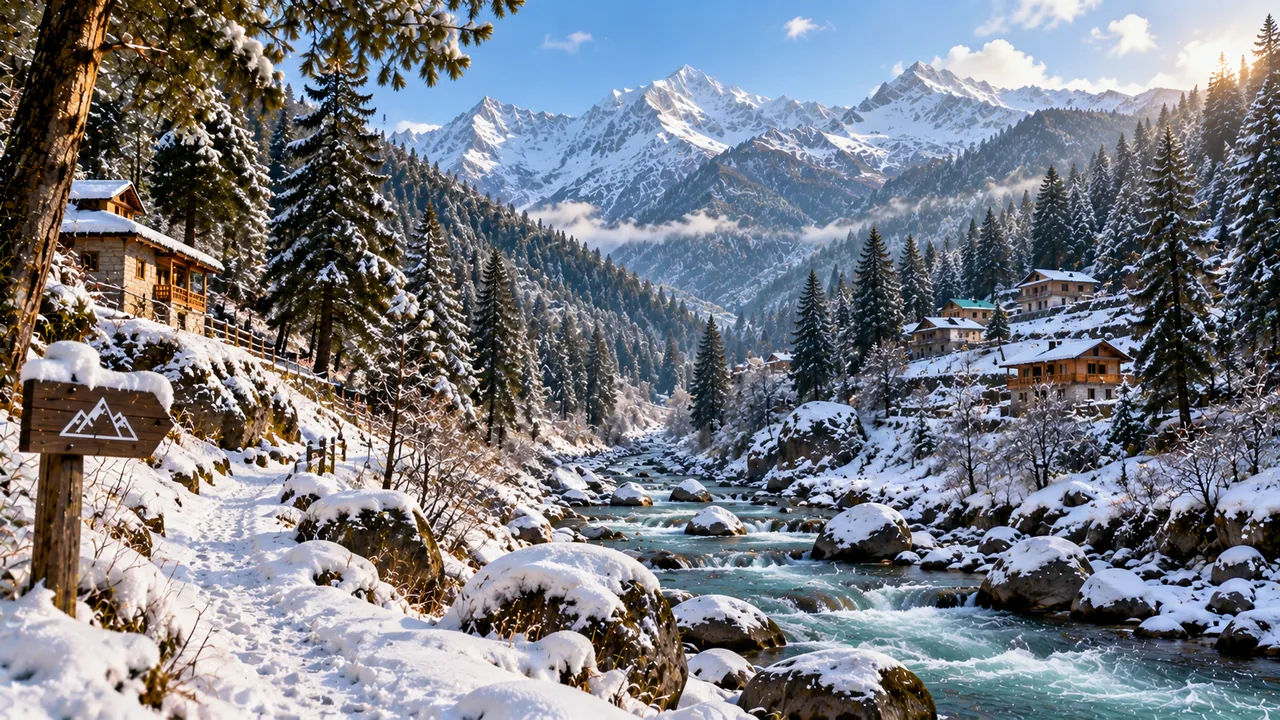
Winter can bring snow and difficult conditions, particularly at higher elevations. Some routes may become inaccessible or unsuitable.
Always obtain current local information before planning winter trekking.
How to Reach Great Himalayan National Park
GHNP is primarily accessed by road followed by trekking.
Unlike a conventional tourist attraction, you cannot simply drive to the heart of the national park. Your route depends on the area and trekking route you plan to visit.
GHNP by Road
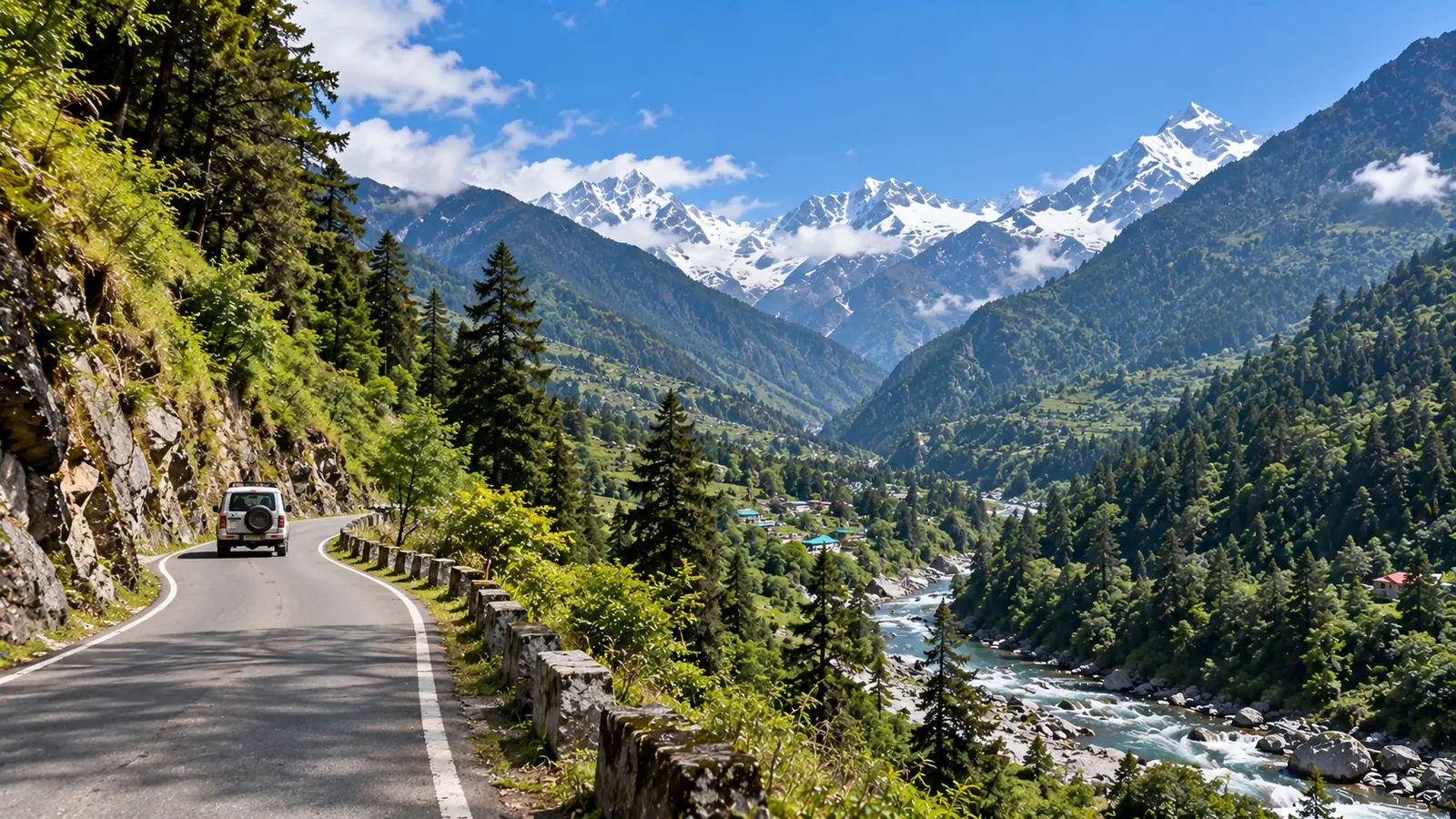
Travelers can approach the park through the broader Kullu region.
Routes toward the Sainj Valley can also be used depending on the selected access area.
GHNP by Bus
Travelers can use buses to reach nearby towns and villages and then continue by local transport or taxi.
Because mountain bus schedules and road conditions can change, verify current schedules before your journey.
GHNP by Train
There is no railway station inside the Great Himalayan National Park. Rail travelers need to combine train travel with road transportation.
Nearest Airport
Bhuntar Airport, near Kullu, is the closest major airport serving the broader region.
From the airport, you need to continue by road toward the selected GHNP access area.
Main Access Areas to Great Himalayan National Park
- Tirthan Valley
- Sainj Valley
- Gushaini
- Banjar
- Other local villages and trekking access points
The correct route depends on the trek you want to undertake.
Tirthan Valley and GHNP
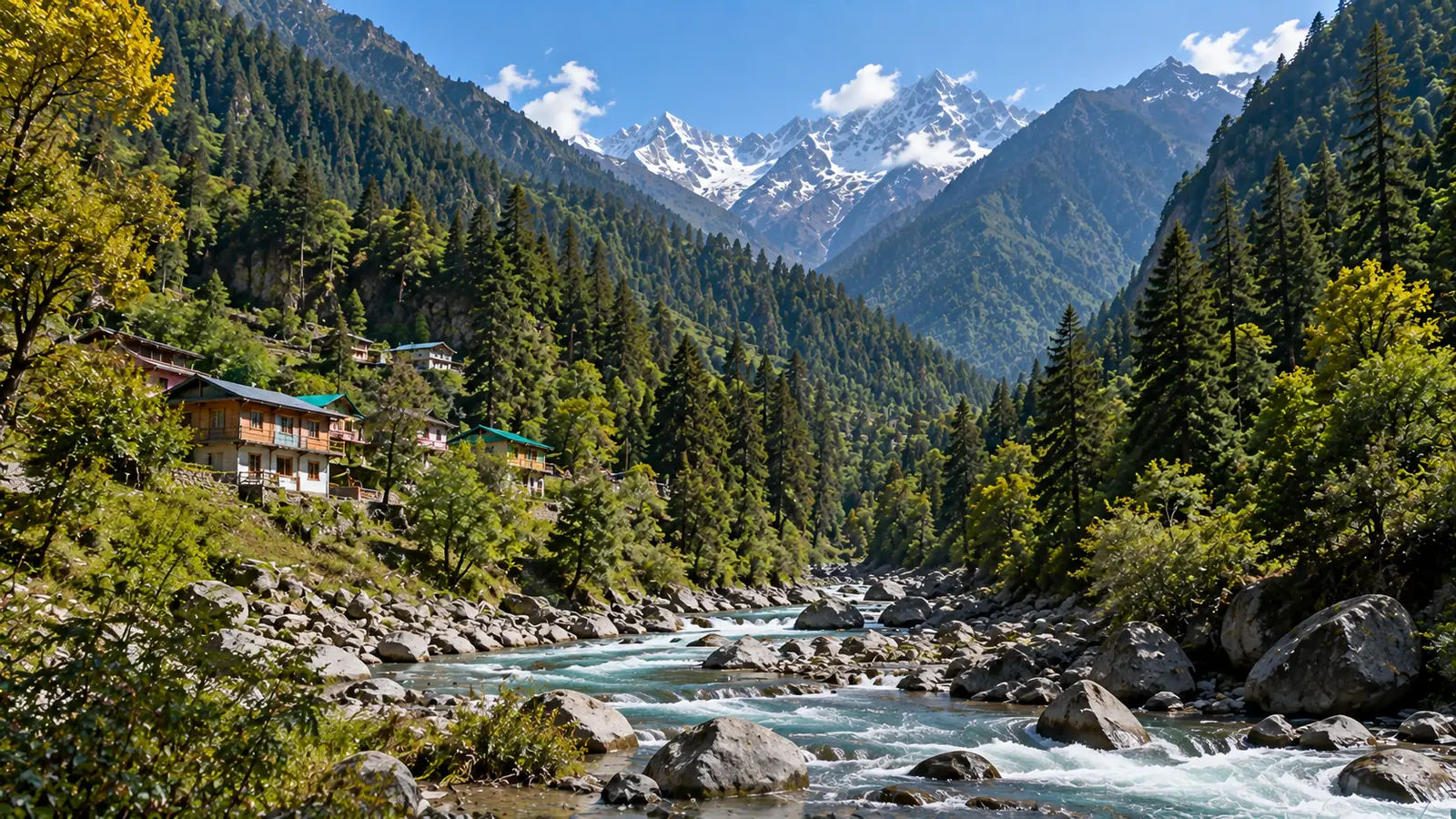
Tirthan Valley is one of the most popular bases for exploring the GHNP region.
Gushaini
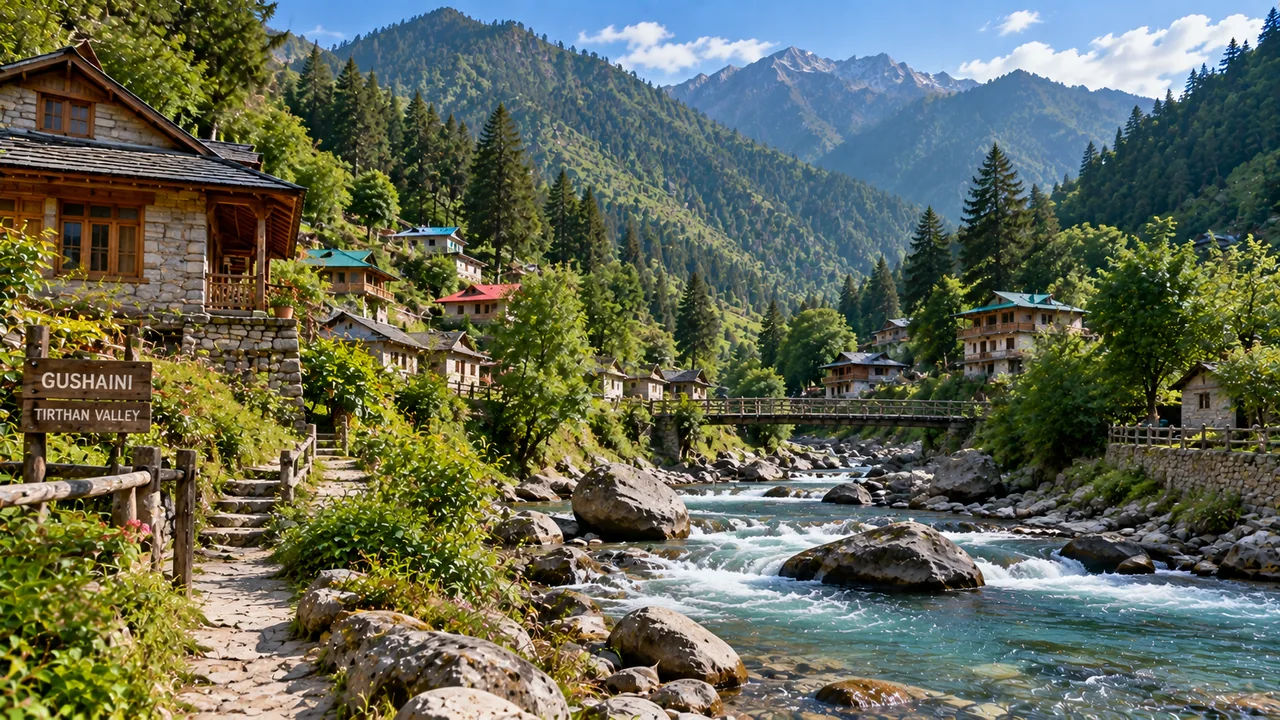
Gushaini is an important village in the Tirthan Valley area and serves as a base for travelers exploring the surrounding landscape.
Jibhi
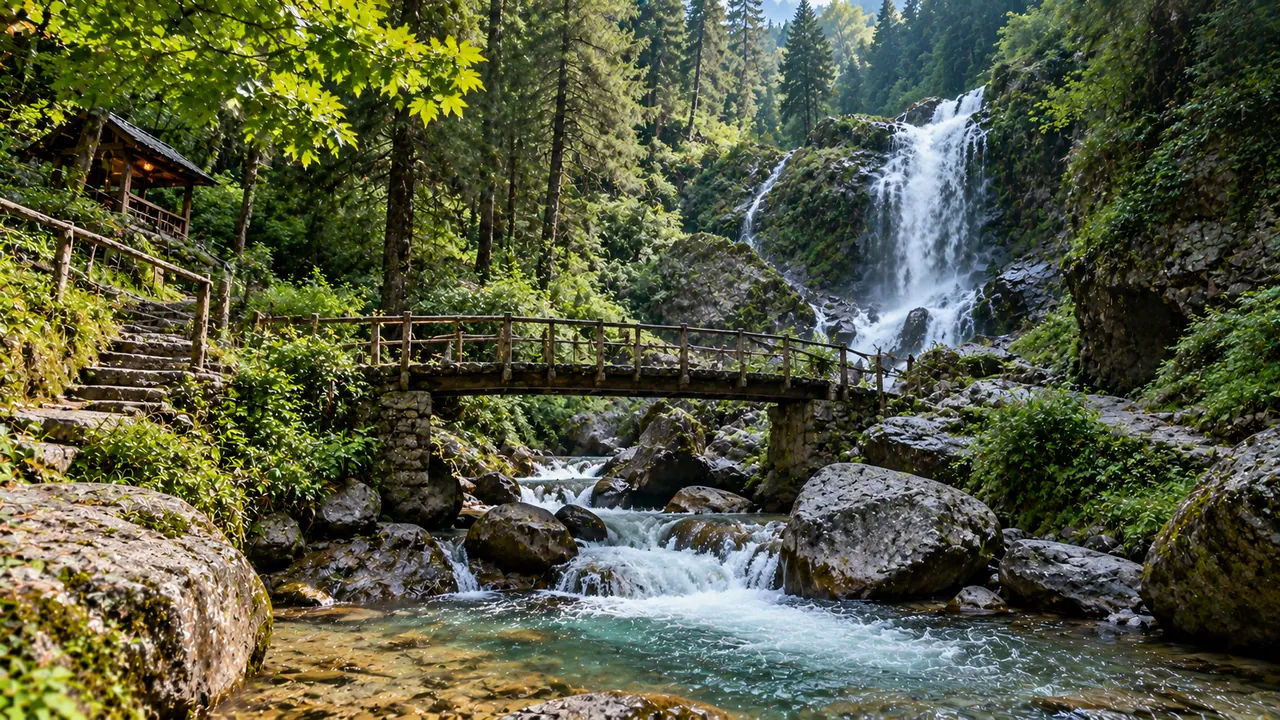
- Jibhi Waterfall
- Forest walks
- Cafes
- Traditional houses
- Homestays
- Mountain scenery
Sainj Valley
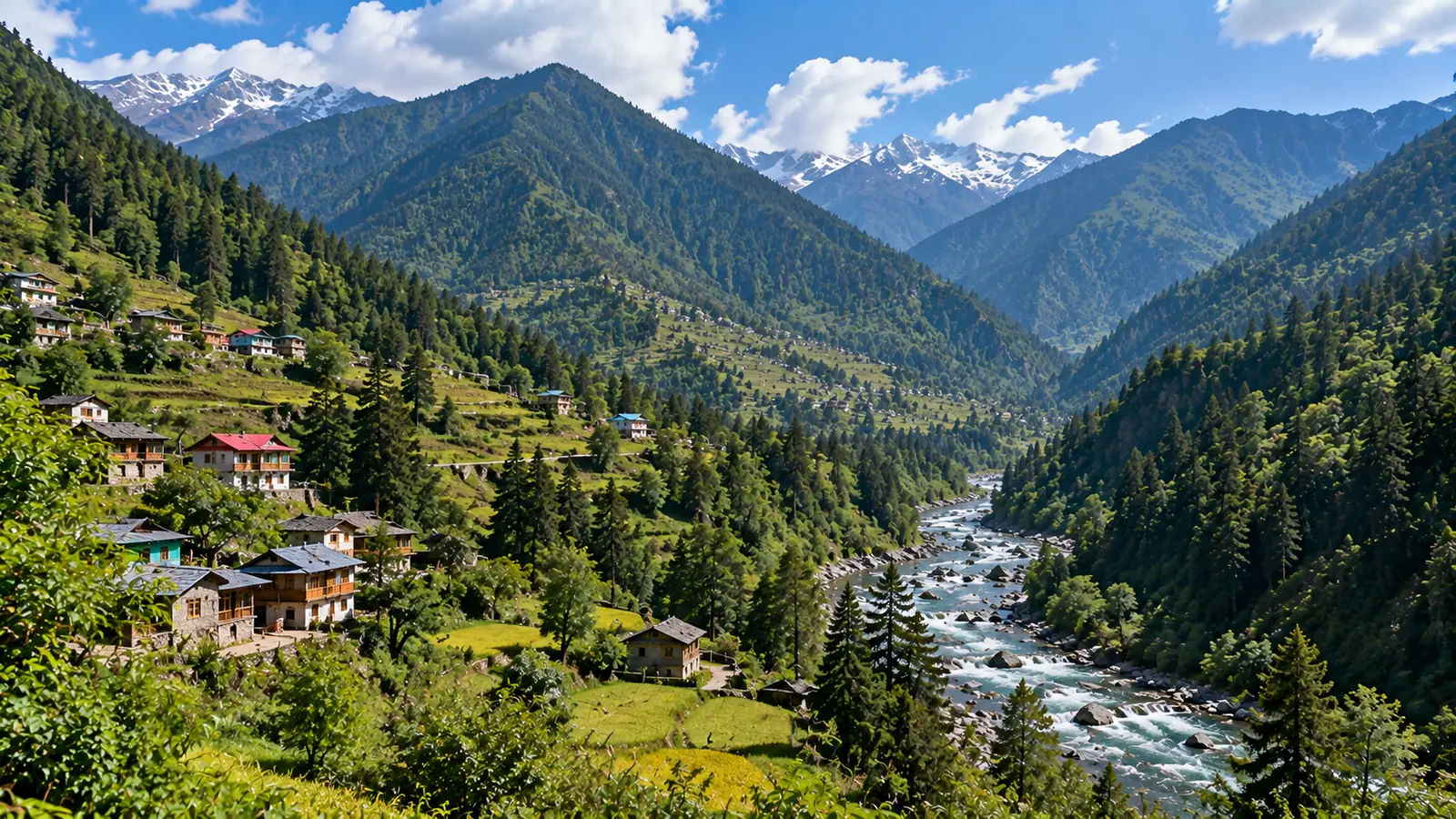
Sainj Valley provides another important landscape associated with the national park and is particularly interesting for travelers looking for a quieter Himalayan experience.
Trekking in Great Himalayan National Park
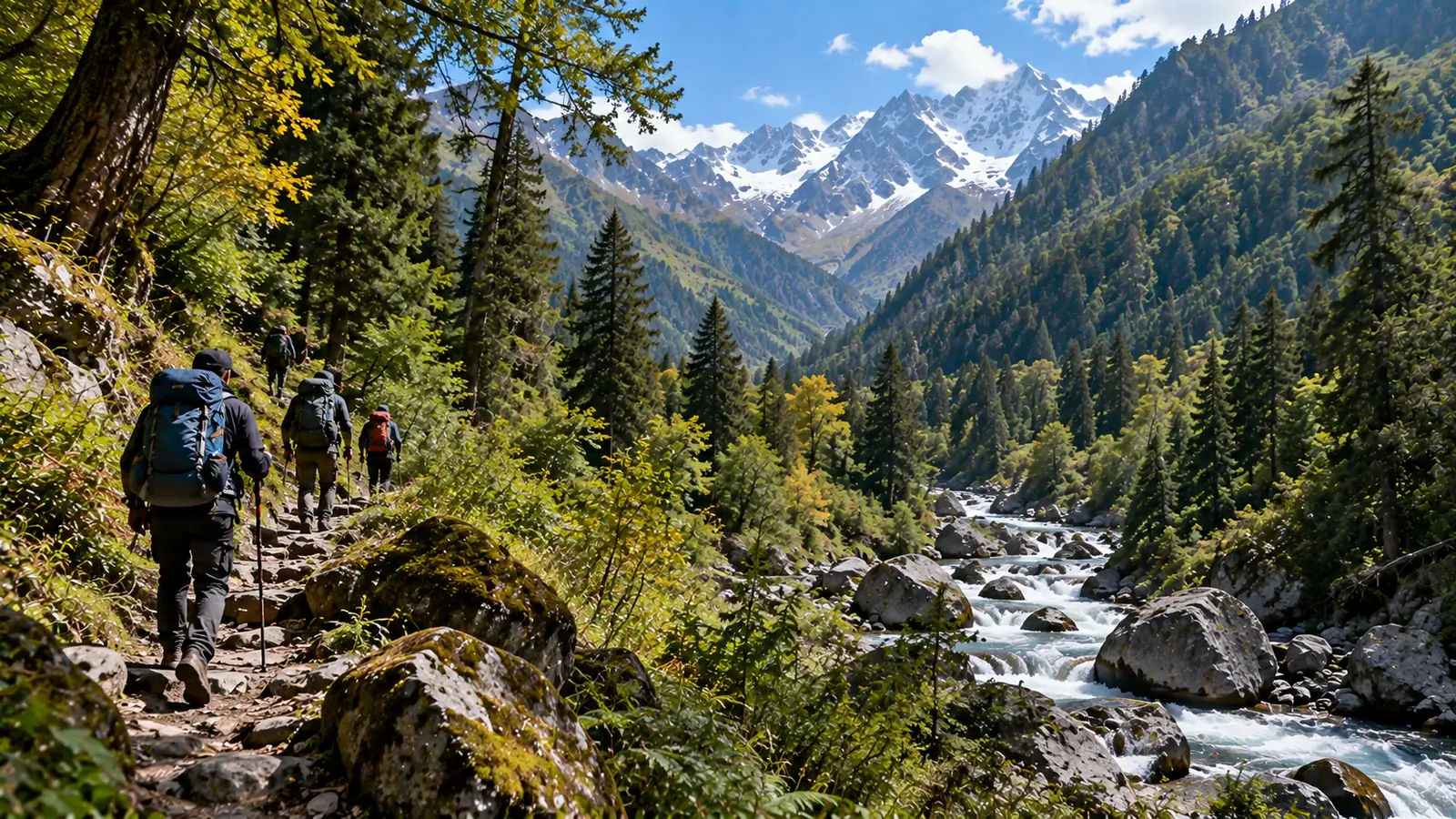
Trekking is one of the best ways to experience GHNP.
- Long walking distances
- Significant elevation changes
- Remote terrain
- Variable weather
- Limited facilities
Trekkers should therefore prepare carefully.
Popular Trekking Areas
- Tirthan Valley
- Sainj Valley
- Shilt Hut
- Rolla
- Raktisar
- Jalori Pass region
Specific routes, permits and accessibility can change. Always verify current regulations and route conditions with park authorities or authorized local guides before starting.
Wildlife Watching
Wildlife watching requires patience.
- Do not feed animals
- Do not approach wildlife
- Avoid loud noises
- Avoid unnecessary flash
- Do not leave food waste behind
The goal is to observe wildlife without disturbing it.
Birdwatching
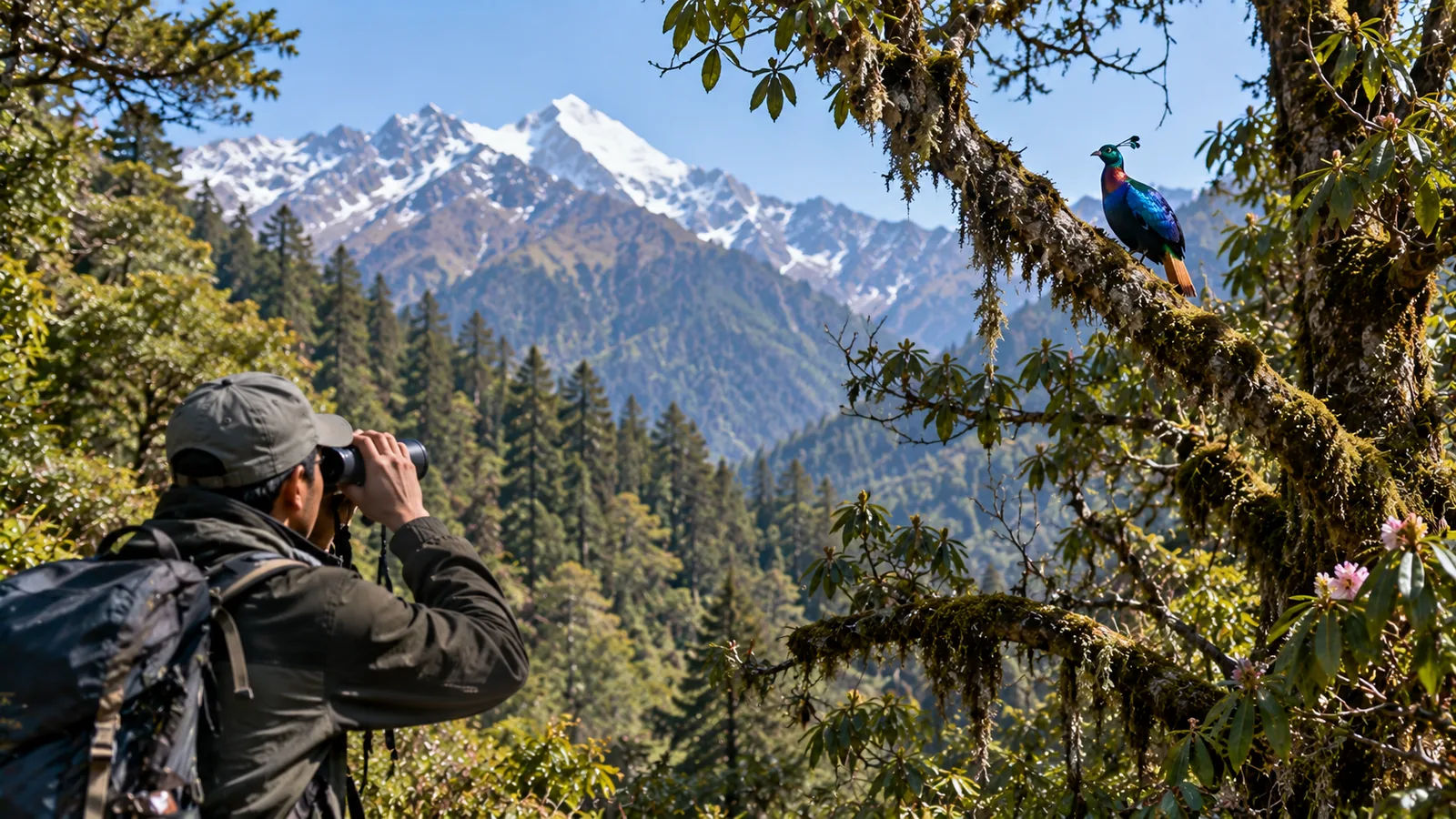
GHNP is an excellent destination for bird enthusiasts. The Himalayan monal is among the iconic bird species associated with the region.
Early morning forest walks can provide rewarding birdwatching opportunities.
Nature Photography
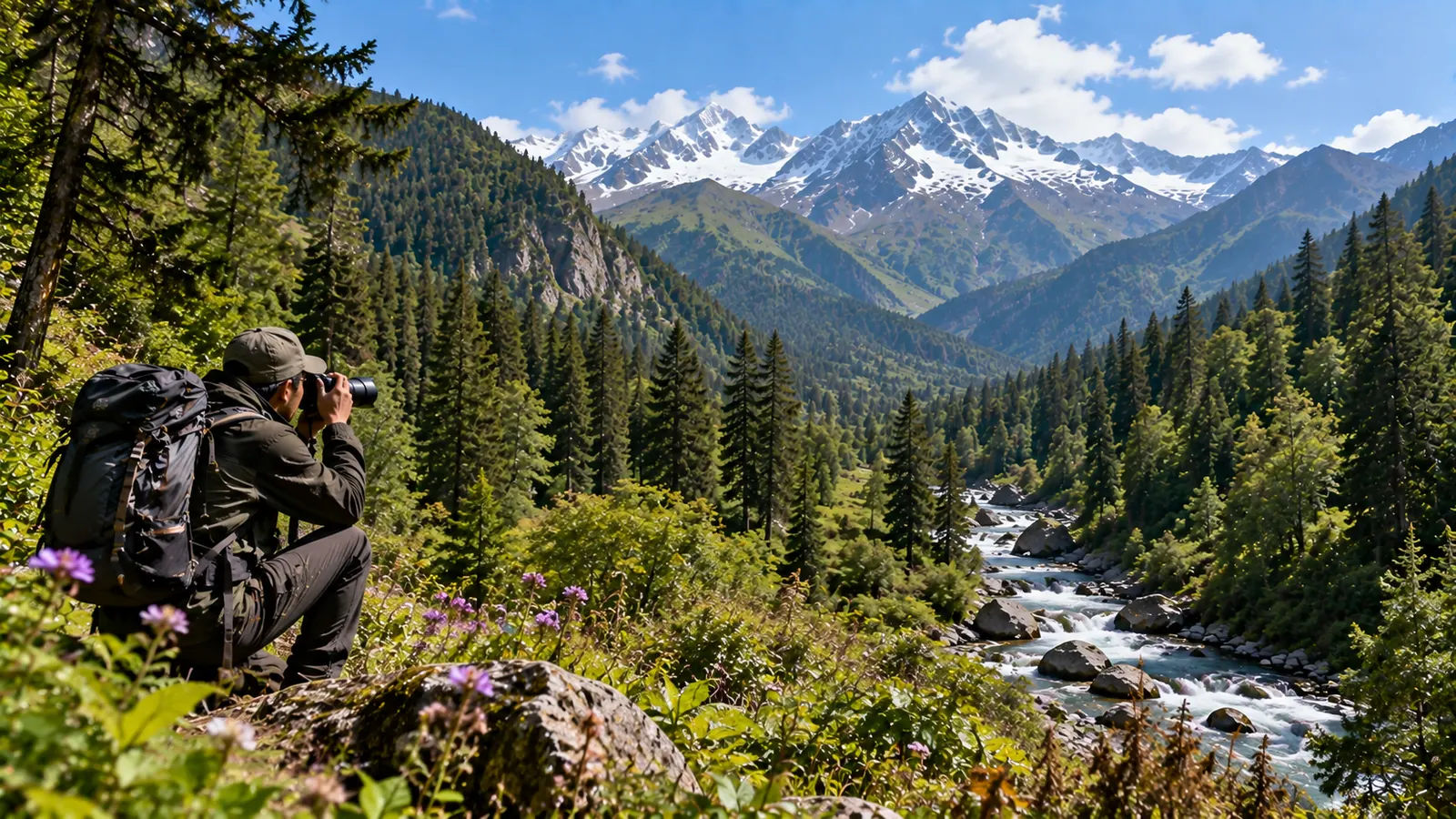
- Mountains
- Forests
- Rivers
- Wildlife
- Birds
- Flowers
- Villages
- Trekking trails
- Sunrise
- Sunset
Camping
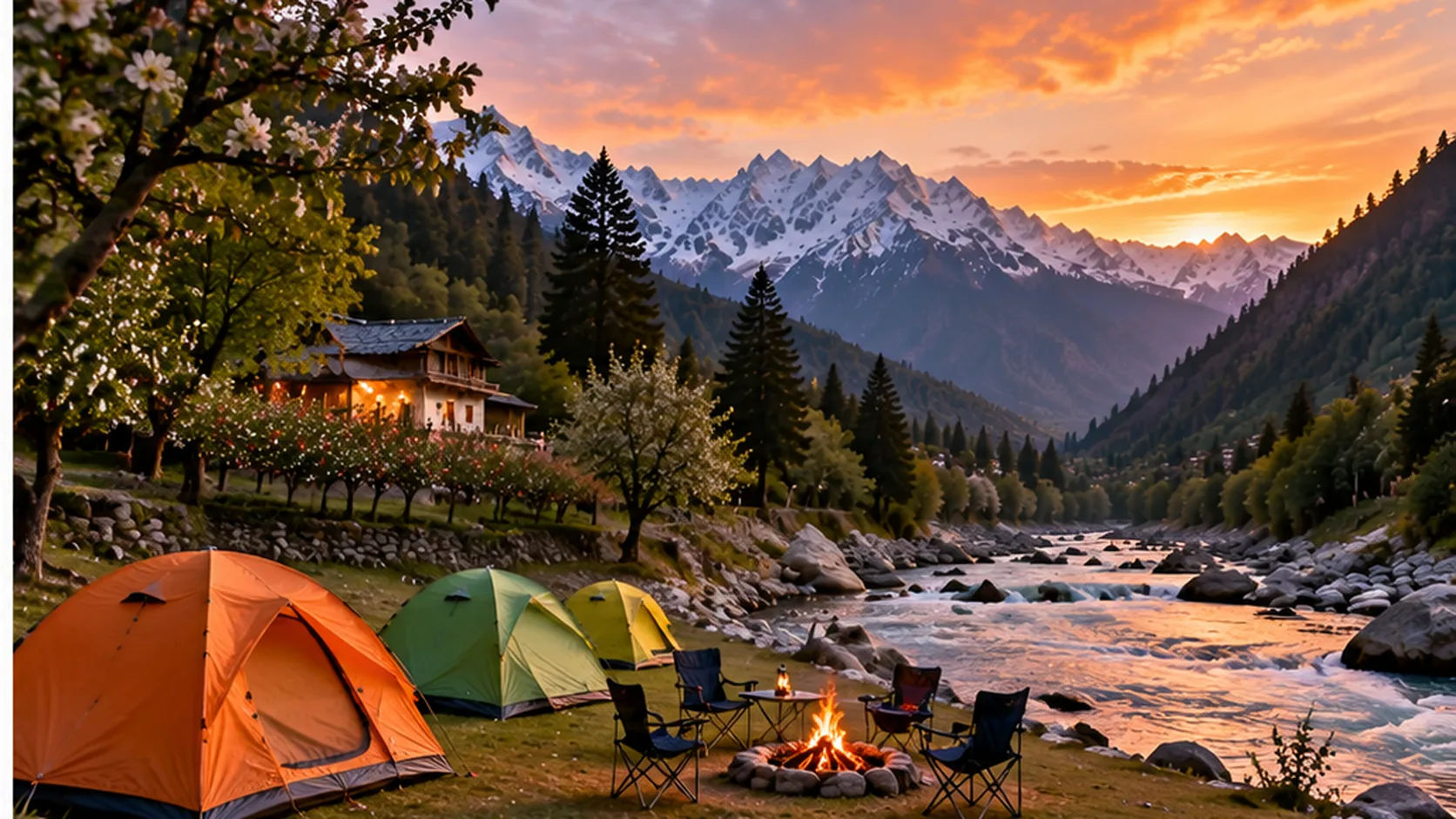
Camping can form part of multi-day trekking experiences.
Camping inside or near protected areas is subject to local rules. Use only authorized camping locations and follow park regulations.
Village Experiences
A GHNP trip can also introduce travelers to traditional Himalayan communities.
Respect local customs, ask before photographing people and avoid entering private property without permission.
Nature Walks
Not every GHNP experience needs to be a difficult trek. Shorter walks around surrounding villages and forest areas can provide opportunities to enjoy fresh mountain air, forest landscapes, river views, bird sounds, traditional architecture and Himalayan scenery.
Great Himalayan National Park 1-Day Plan
A one-day visit is best suited to travelers who want a short introduction to the surrounding region.
Start from your accommodation near Tirthan Valley or Gushaini.
- Nature walk
- Forest exploration
- Local village
- River views
Return to your accommodation.
A one-day trip is not suitable for attempting a demanding multi-day GHNP trek.
2-Day GHNP Itinerary
- Arrive in Tirthan Valley
- Explore Gushaini
- Walk beside Tirthan River
- Visit a nearby village
- Stay overnight
- Early morning nature walk
- Explore an appropriate short trail
- Return
- Continue toward your next destination
3-Day GHNP Itinerary
Explore Gushaini and the Tirthan River.
Begin an authorized trek according to current conditions and permit requirements.
Return from the trek and explore Jibhi if time and energy allow.
4-Day GHNP Itinerary
- Day 1 — Tirthan Valley arrival
- Day 2 — GHNP trekking
- Day 3 — Continue trek or return depending on route
- Day 4 — Explore Jibhi and Jibhi Waterfall
Places to Visit Near Great Himalayan National Park
Tirthan Valley
Tirthan Valley is one of the best destinations to combine with a GHNP trip.
- Tirthan River
- Gushaini
- Jibhi
- Waterfalls
- Forest trails
- Homestays
- Local cafes
Jibhi
Jibhi is particularly suitable for travelers who want to combine nature with a relaxed village atmosphere.
- Jibhi Waterfall
- Forest trails
- Local cafes
- Traditional homes
- Nearby trekking routes
Jalori Pass
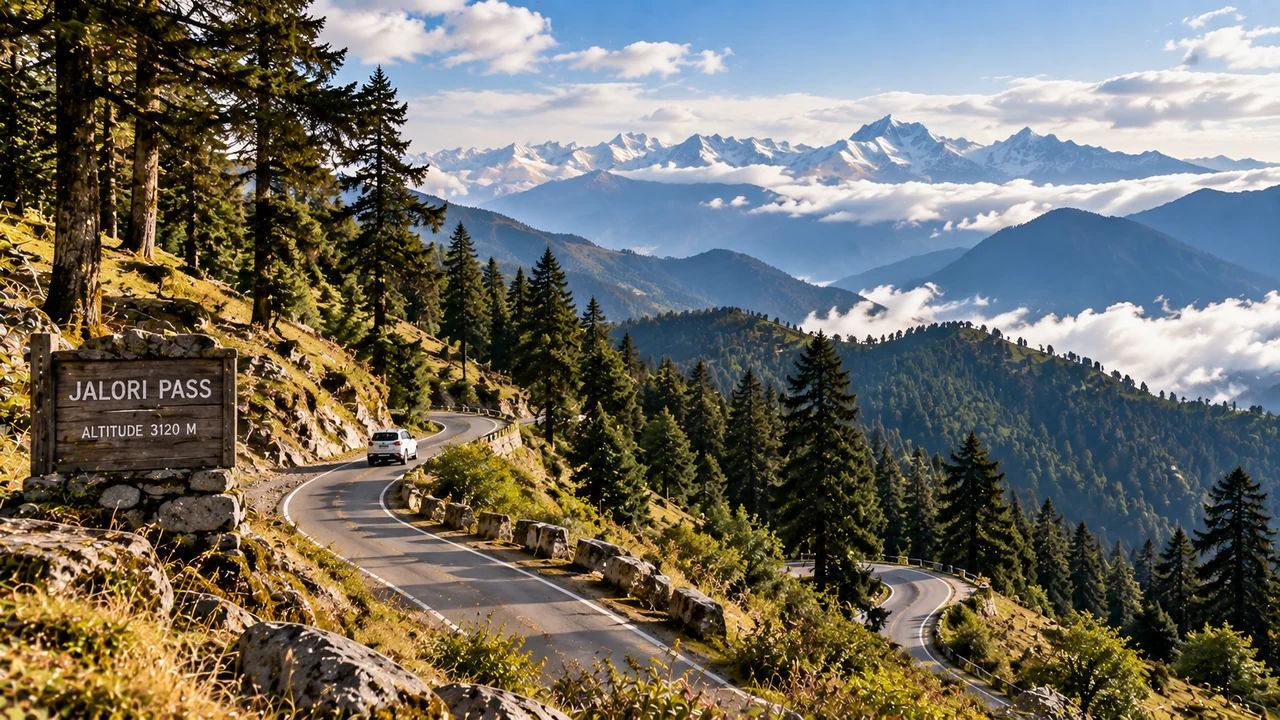
Jalori Pass offers spectacular mountain scenery and provides access to trekking routes such as the trail toward Serolsar Lake.
Road accessibility can change significantly depending on season and weather.
Serolsar Lake
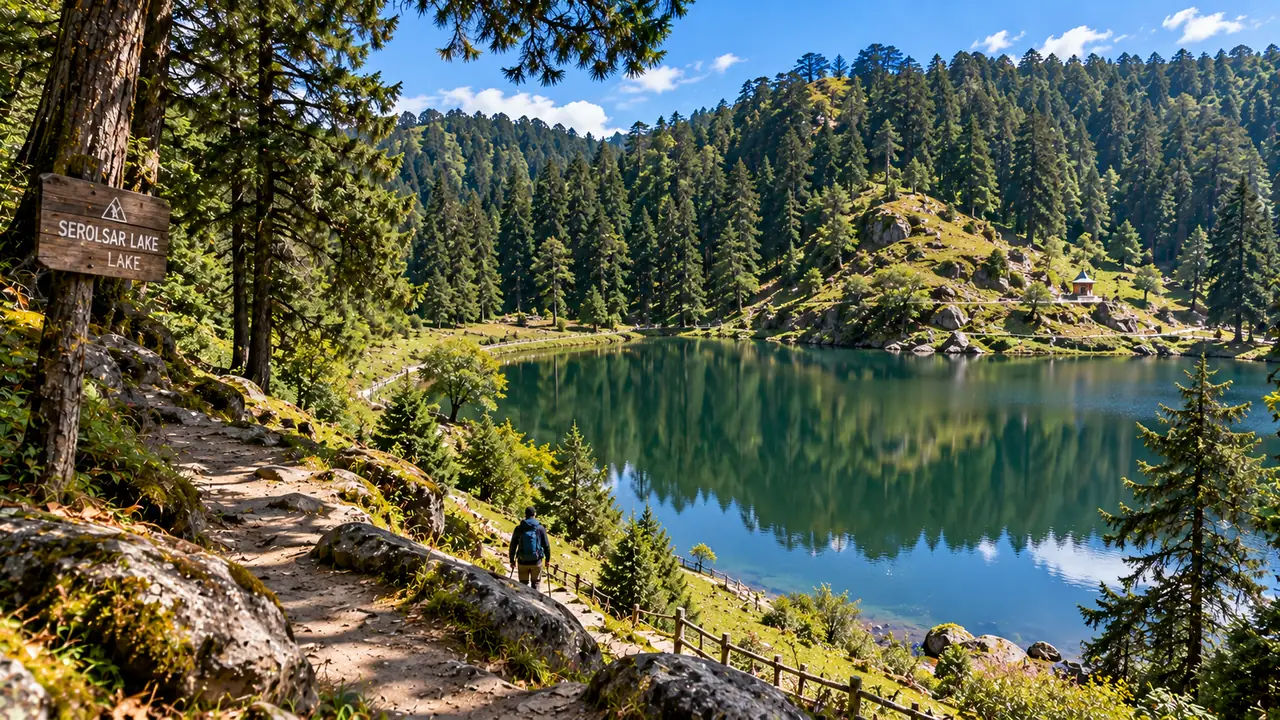
Serolsar Lake is a popular trekking destination near Jalori Pass. The route generally involves walking through forested mountain terrain.
Kullu
Kullu can be used as an entry point for a broader trip covering Kullu, Banjar, Tirthan Valley and GHNP.
Manali
Travelers visiting Manali can extend their Himachal road trip toward Tirthan Valley and GHNP.
View Full GuideGreat Himalayan National Park Travel Tips
- Check permits before trekking
- Hire authorized local guides where required
- Check weather
- Start early
- Carry enough water
- Pack light
- Carry offline maps
- Do not expect guaranteed wildlife sightings
- Respect the park
- Keep extra travel time
Permit & Entry Information
Because GHNP is a protected area, entry, trekking, camping, guiding and photography rules can depend on the specific area and activity.
- Check the latest official park requirements
- Confirm whether your trek requires a permit
- Confirm whether a guide is required
- Verify camping arrangements
- Check current trail conditions
- Follow all conservation regulations
Avoid relying on old travel blogs for current permit fees or entry rules.
What to Pack for Great Himalayan National Park
- Quick-dry T-shirts
- Warm layers
- Fleece jacket
- Waterproof jacket
- Trekking trousers
- Thermal wear during cold seasons
- Warm socks
- Good trekking shoes
- Extra socks
- Lightweight footwear for camp
- Backpack
- Headlamp
- Trekking poles
- Water bottle
- Offline map
- Power bank
- Basic first-aid kit
- Government ID
- Sunscreen
- Sunglasses
- Personal medicines
- Insect protection
- Reusable water bottle
Responsible Tourism at GHNP
Great Himalayan National Park is a protected ecosystem. Visitors should follow a strict leave-no-trace approach.
- Carry your waste back
- Use designated trails
- Follow park instructions
- Respect wildlife
- Follow permit conditions
- Support local communities
- Use authorized guides where required
- Keep noise levels low
- Feed animals
- Pick plants
- Hunt or disturb wildlife
- Leave plastic waste
- Play loud music
- Damage trees
- Enter restricted areas
- Light unauthorized fires
Great Himalayan National Park Travel With Swarikaro
Planning a GHNP trip often means traveling through mountain roads before reaching your trekking base.
With Swarikaro, travelers can explore vehicle options for journeys around Himachal Pradesh.
- Number of travelers
- Luggage
- Road conditions
- Trip duration
- Destination
- Travel requirements
For travelers planning a Himalayan road trip, the right vehicle can make the journey more comfortable and flexible.
Explore vehicle options with Swarikaro and start planning your Himachal adventure.
Frequently Asked Questions About Great Himalayan National Park
Quick answers to common questions about GHNP, trekking, wildlife, permits, access and nearby destinations.
What is Great Himalayan National Park famous for?
Great Himalayan National Park is famous for its Himalayan biodiversity, protected forests, wildlife, mountain landscapes and trekking opportunities.
Where is Great Himalayan National Park located?
The park is located in Kullu district of Himachal Pradesh.
Is Great Himalayan National Park a UNESCO World Heritage Site?
Yes. The Great Himalayan National Park Conservation Area was inscribed on the UNESCO World Heritage List in 2014.
Can I go trekking in Great Himalayan National Park?
Yes. Trekking is one of the main ways to explore the park, subject to current permits, routes, regulations and weather conditions.
Do I need a permit for Great Himalayan National Park?
Permit requirements depend on the specific route and activity. Travelers should check the latest requirements with park authorities before visiting.
What animals can be found in Great Himalayan National Park?
The protected landscape supports Himalayan species including musk deer, Himalayan tahr, blue sheep, goral, serow, Himalayan black bear and numerous birds.
Is Great Himalayan National Park near Tirthan Valley?
Yes. Tirthan Valley is closely associated with the Great Himalayan National Park region and is an important base for exploring the park.
What is the best time to visit Great Himalayan National Park?
Spring, summer and autumn are generally popular for outdoor exploration, while winter and monsoon can bring more challenging weather and trail conditions.
Can I camp inside Great Himalayan National Park?
Camping may be allowed only in designated or authorized areas and according to current park regulations.
Can I see a snow leopard in GHNP?
Snow leopards are associated with high-altitude Himalayan habitats, but sightings are extremely difficult and should never be expected on a normal trip.
Is Great Himalayan National Park suitable for beginners?
Some shorter nature experiences may be suitable for beginners, but several trekking routes involve significant distances and elevation changes. Choose routes according to your fitness and experience.
How many days are required for GHNP?
A short visit can introduce you to the surrounding landscape, while multi-day trekking experiences require more time. Three to four days can work well for a broader GHNP and Tirthan Valley itinerary.
How do I reach Great Himalayan National Park from Manali?
Travelers can travel by road from Manali toward the Kullu and Banjar region and then continue toward the selected GHNP access area.
Is Great Himalayan National Park worth visiting?
Yes, especially for travelers interested in Himalayan nature, wildlife, trekking, forests and conservation. It is best suited to visitors who appreciate nature rather than conventional sightseeing.
Conclusion
Great Himalayan National Park is one of the most rewarding destinations in Himachal Pradesh for travelers interested in Himalayan nature, wildlife, trekking and conservation.
Combining GHNP with Tirthan Valley, Jibhi, Jalori Pass or Kullu can create a memorable Himalayan journey.